Claytonia exigua
Claytonia exigua
Description
Claytonia exigua, commonly known as little claytonia, is an annual herb within the Montiaceae family. While not a primary commodity crop, it is gaining recognition in the niche market of gourmet salad greens due to its resilience and distinct flavor profile, which is often compared to mild-tasting spinach or winter purslane.
The plant is native to Western North America, where it thrives in moist, cool, and often shaded environments. Its evolutionary history has endowed it with the ability to germinate and grow rapidly during the cool periods of the year, making it an excellent candidate for early-season production in various temperate climatic zones.
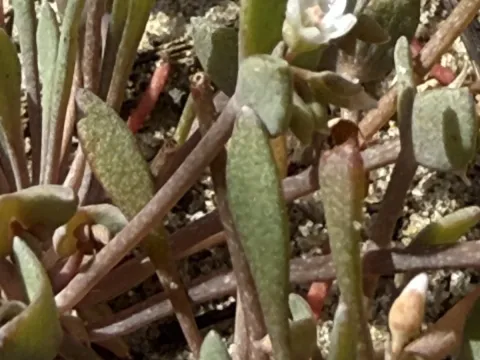
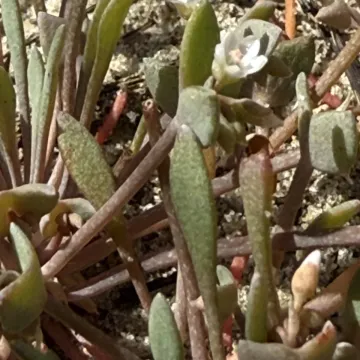
From a botanical perspective, the plant features a basal rosette of succulent, lanceolate leaves. It is a shallow-rooted annual that completes its life cycle quickly when temperatures are favorable. Its biological adaptation to cool spring weather allows it to excel in conditions where more heat-sensitive crops might fail or struggle to establish.
Agronomic requirements for Claytonia exigua center around soil moisture management and temperature control. It thrives in well-drained, nutrient-rich soils that retain moisture without becoming waterlogged. Growers should aim for soil pH levels near neutral. Because of its sensitivity to high temperatures, it is best grown as a cool-season crop, avoiding mid-summer heat to prevent bolting.
Key cultivation practices include:
- Surface sowing of seeds with minimal soil covering.
- Consistent moisture management to prevent stress-induced bitterness.
- Optimal spacing to ensure adequate airflow between plants.
- Harvesting before the emergence of the flower stalk to maintain leaf quality.
The primary use of this crop is in the fresh produce industry as a component of mixed salad greens. Regarding pests and diseases, the plant is relatively hardy; however, in humid, poor-draining environments, it can be susceptible to fungal pathogens like downy mildew. Maintaining clean cultivation practices and proper spacing are the most effective strategies for long-term health and productivity.
Photo gallery