Clematicissus striata
Clematicissus striata
Description
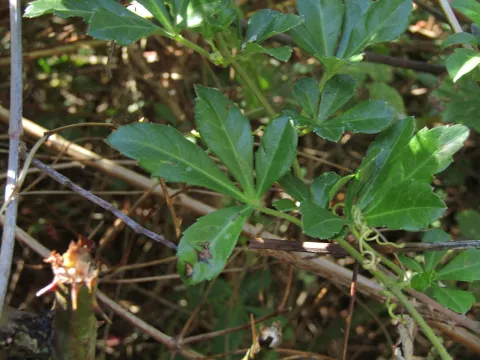
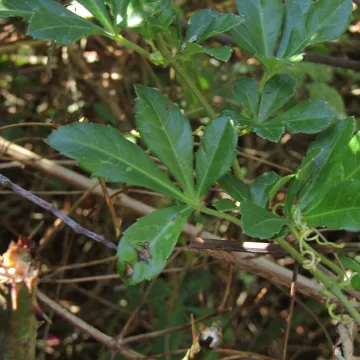
Clematicissus striata is a perennial woody vine belonging to the Vitaceae family, formerly classified within the Cissus genus. This climbing plant is highly regarded in horticulture for its rapid growth rate and elegant, five-parted palmately compound leaves, which provide a lush, textured appearance. It serves as an excellent candidate for vertical landscaping, effectively covering fences, trellises, and walls.
Native to the subtropical regions of South America, including Chile and Argentina, the plant thrives in environments that offer moderate humidity and protection from extreme temperature fluctuations. Its natural habitat is characterized by forested areas where it utilizes its specialized tendrils to climb toward available light sources, demonstrating a remarkable climbing ability in both indoor and outdoor settings.
From a botanical standpoint, the plant is identified by its glossy dark green leaves and flexible, climbing stems that become more robust with maturity. The flowering cycle produces small, inconspicuous blossoms, followed by dark, grape-like berries. While these fruits add to the visual appeal, they are not intended for human consumption and should be kept away from small children and pets.
Cultivation of Clematicissus striata requires well-draining soil rich in organic matter to support its vigorous development. It performs best in bright, indirect sunlight, although it can tolerate partial shade. In terms of moisture, it is crucial to keep the substrate consistently damp during the growing season while ensuring that excess water is allowed to drain to prevent root zone asphyxiation.
Effective management and maintenance practices for this culture include:
- Regular pruning to maintain shape and promote bushier growth.
- Application of balanced liquid fertilizers during the spring and summer.
- Providing sturdy support structures for proper vertical training.
- Monitoring environmental factors like humidity to prevent common issues.
The plant is susceptible to common greenhouse pests, most notably spider mites and mealybugs, which thrive in low-humidity conditions. Fungal issues such as leaf spot or root rot may occur if irrigation management is poor or if airflow is inadequate. Effective pest and disease control entails maintaining good ventilation and applying appropriate acaricides or fungicides when early symptoms are identified.
Photo gallery