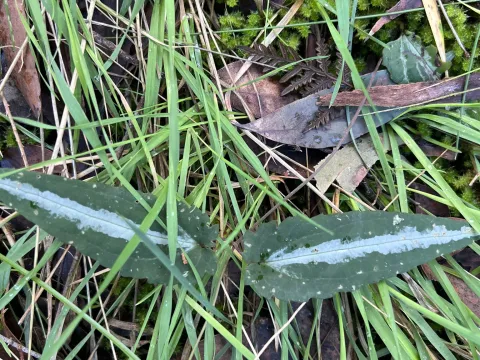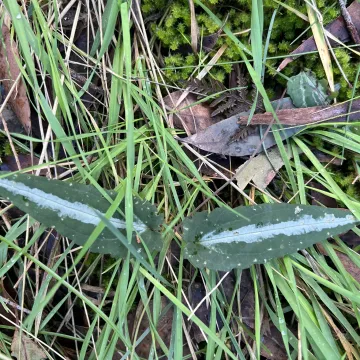
Clematis aristata x gentianoides
Clematis aristata x gentianoides
Description
Clematis aristata x gentianoides is a specialized interspecific hybrid belonging to the Ranunculaceae family. This botanical entity represents a cross between Australian species, resulting in a plant that displays a unique combination of vining growth habits and the distinct floral characteristics typical of the gentianoides lineage, making it a valuable subject for botanical collections.
The origins of this hybrid are rooted in the diverse ecosystems of Australia, where its parent species thrive in cool, moist, and often shaded forest understories. This evolutionary background dictates the plant's physiological requirements, favoring environments that mimic these stable, moderate conditions in both temperature and humidity.
Botanically, the plant is characterized by its woody or semi-woody stems and distinct leaf structure. The flowers often feature a delicate, star-like appearance with prominent filaments, reflecting the genetic traits of Clematis aristata. The plant’s overall morphology is highly adaptable, allowing it to function as a climber in garden trellises or as a sprawling shrub depending on the pruning method applied.
The agronomic requirements for this hybrid emphasize the need for well-draining, humus-rich soil with a slightly acidic pH. The plant performs best in locations providing filtered sunlight, as excessive heat can lead to leaf scorching. Consistent moisture management is critical; while the plant requires regular irrigation, it is highly sensitive to waterlogged conditions, which can lead to crown rot.
In terms of utilization, this clematis is primarily used in ornamental horticulture for vertical landscaping, terrace decoration, and as a collector's specimen. Its primary health challenges include vulnerability to powdery mildew in high-humidity environments and potential infestations of aphids or spider mites. Integrated pest management, including regular inspection and organic treatments, is recommended for maintaining plant vigor.
- Requires sturdy support systems for optimal vertical growth.
- Benefits from thick mulch to keep the roots cool and moist.
- Needs balanced fertilization during the primary growth phase.
Photo gallery