Clematis barbellata
Clematis barbellata
Description
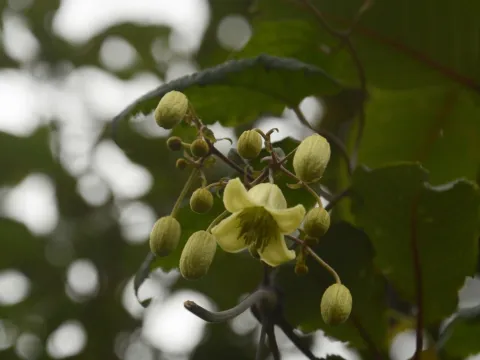
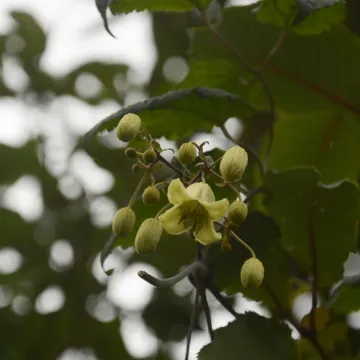
Clematis barbellata is a perennial woody climber belonging to the Ranunculaceae family. It is a distinct botanical species noted for its unique, nodding, bell-shaped flowers characterized by the bearded, hairy inner segments of the tepals, which distinguishes it from many common large-flowered garden hybrids.
This species originates from the Himalayan region, covering territories from Afghanistan and Pakistan to North India and Nepal. It typically inhabits mountain forests and slopes, flourishing in regions with cool summers and high humidity. In agricultural and horticultural contexts, it is considered a collector’s plant, requiring specific conditions that mimic its high-altitude native habitat.
Botanically, it is a vigorous grower with compound, trifoliate or pinnate leaves. The flowers exhibit a rich reddish-purple to brownish-maroon hue. Since the plant blooms primarily on the previous year's growth, it is classified under pruning group 1 or 2, meaning gardeners should prune it lightly after flowering to ensure the development of new floral wood.
Successful cultivation requires a site with partial shade, as the plant is sensitive to intense, direct sunlight which can scorch its foliage. The soil must be fertile, rich in organic matter, and possess excellent drainage. Consistent moisture is crucial during the growing season; however, gardeners must prevent waterlogging, as stagnant moisture at the crown often leads to root rot.
- Requires sturdy support structures for climbing.
- Prefers cool root zones, often achieved through mulching.
- Needs regular monitoring for aphids and spider mites.
- Susceptible to fungal wilts if drainage is inadequate.
The primary use of Clematis barbellata is ornamental, serving as a sophisticated addition to vertical garden features, trellis systems, or shaded woodland borders. To maintain plant health, it is essential to implement an integrated pest management strategy, ensuring adequate air circulation to prevent fungal leaf spots and mildew, and protecting the plant from environmental extremes.
Photo gallery