Chinese clematis
Clematis chinensis
Description
Chinese clematis (Clematis chinensis) is a perennial woody vine belonging to the Ranunculaceae family. It is widely recognized not only for its botanical vigor but also for its significant role as a medicinal plant. The plant acts as a climber, utilizing its leaf stalks to coil around supports, allowing it to reach significant vertical height in its native habitat.
Native to East Asia, specifically China, this species thrives in forest margins, river valleys, and mountain shrublands. The geographical distribution of this culture has expanded through commercial cultivation as international demand for its phytochemical compounds has increased. It is well-adapted to temperate and subtropical climates with sufficient rainfall.
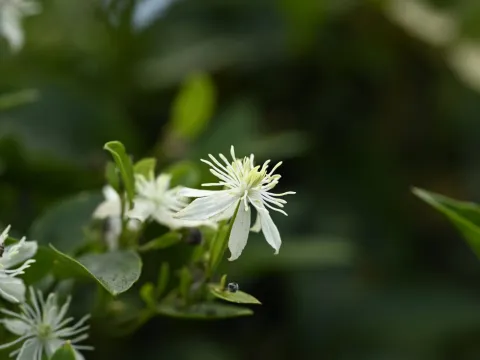
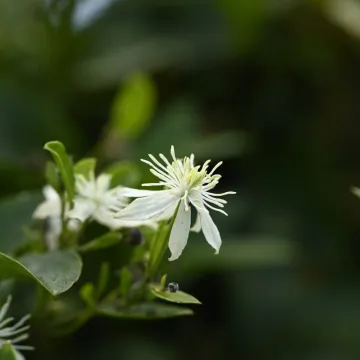
The botanical structure of Clematis chinensis includes compound leaves and small, white, fragrant flowers that typically bloom in late summer. Its root system is fibrous and resilient, supporting the rapid growth of stems. The woody nature of the stems provides structural integrity, enabling the plant to survive through various seasonal changes.
Successful cultivation requires soil that is rich in organic matter, well-drained, and maintains a pH level near neutral. It is essential to provide sturdy trellises or netting for the vines to climb. Consistent moisture is required, though the plant is sensitive to waterlogging. Moderate fertilization during the spring growth phase is recommended to maximize biomass production.
In terms of agricultural and industrial use, Chinese clematis is highly valued for its roots and stems, which are harvested for traditional medicine to treat rheumatic conditions and inflammation. Beyond its medicinal utility, it serves as an excellent candidate for vertical landscaping due to its dense foliage and aesthetic flower clusters, making it a versatile crop for both herb farms and ornamental nurseries.
- Regular pruning to prevent fungal diseases like powdery mildew.
- Implementation of pest management strategies for aphids.
- Ensuring soil aeration to support healthy root development.
- Correct trellising to prevent stem tangling and improve harvesting access.
Photo gallery