Farges clematis
Clematis fargesii
Description
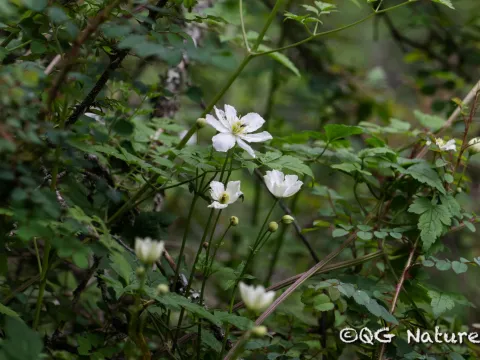
Farges clematis (Clematis fargesii) is a robust deciduous climbing vine belonging to the Ranunculaceae family. It is highly regarded by gardeners for its vigorous growth habit and the profusion of delicate white flowers that bloom during the summer months, providing an elegant aesthetic to any vertical garden structure.
The species is native to the mountain regions of Western China. Its adaptation to cool, elevated climates allows it to thrive in a variety of temperate garden settings globally. Because it originates from high-altitude environments, it exhibits a preference for cool root conditions while enjoying exposure to direct sunlight for its climbing stems.
Botanically, it is characterized by strong, woody stems and lush green, compound foliage. The flowers typically appear on the current season's growth, which influences pruning requirements. These blooms are often recognized for their star-like shape and subtle greenish-white hue, adding a sophisticated touch to garden borders and trellises.
Agronomic requirements include planting in fertile, well-draining soil with a pH ranging from neutral to slightly alkaline. Adequate moisture management is essential; the soil should be kept consistently moist but never waterlogged. Applying organic mulch around the base of the plant is a standard practice to keep the root zone cool and protected from excessive heat.
This plant is exclusively used for ornamental purposes in landscaping. It is an excellent choice for covering walls, fences, or garden pergolas. Common phytosanitary challenges include susceptibility to wilt and infestation by aphids or spider mites. Regular pruning in early spring is necessary to maintain shape, stimulate fresh growth, and ensure proper air circulation to prevent fungal pathogens.
- Vigorous climbing nature requiring sturdy support.
- Blooms on current year's shoots.
- Requires cool root run for optimal health.
- Prefers well-drained, nutrient-rich soil.
- Pruning is essential for floral maintenance.
Photo gallery