Clematis japonica
Clematis japonica
Description
Clematis japonica is a perennial woody vine belonging to the Ranunculaceae family. It is a highly valued ornamental plant, distinguished by its unique bell-shaped flowers and elegant foliage, making it a sophisticated choice for vertical landscaping in temperate garden climates.
Native to the mountainous regions of Japan and Eastern Asia, this species thrives in forest edges and thickets. Its natural habitat is characterized by moderate humidity and filtered sunlight, which dictates its preference for partially shaded locations in modern horticultural settings.
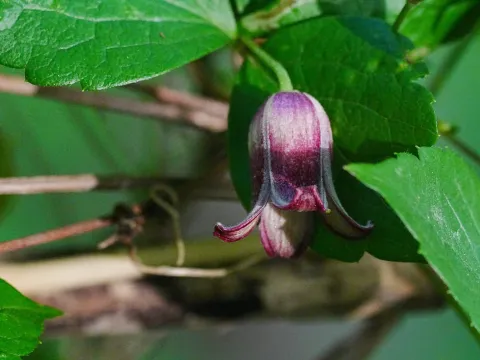
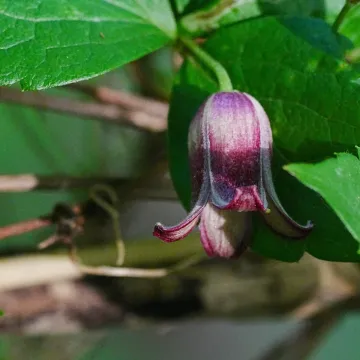
Botanically, the plant features trifoliate leaves and produces drooping, reddish-purple flowers with distinct pubescence. The stems are relatively slender but sturdy, capable of reaching lengths of up to 3 meters when provided with adequate support structures. The bloom cycle usually spans the mid-to-late summer months.
The cultivation of this plant requires well-drained, nutrient-rich, and slightly alkaline soil. Proper root zone management is critical, as it requires cool, moist conditions to mimic the forest floor environment. Applying a layer of mulch is essential to protect the root system from excessive heat during the summer months.
- Provide sturdy vertical supports for climbing stems.
- Ensure adequate drainage to prevent root rot.
- Use slow-release organic fertilizers in early spring.
In terms of plant protection, it is susceptible to typical clematis ailments such as wilt and fungal leaf spots. Vigilance against aphids and spider mites is also necessary to maintain the plant's aesthetic quality. Regular inspection and balanced irrigation are the most effective strategies for preventing common health issues.
Photo gallery