Clematis lasiandra
Clematis lasiandra
Description
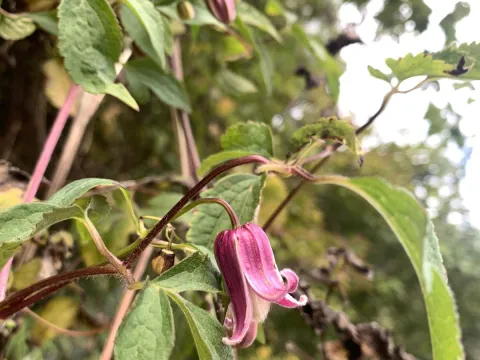
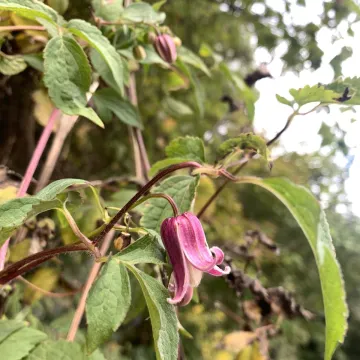
Clematis lasiandra is a perennial climbing plant belonging to the Ranunculaceae family. Native to the mountain forests of East Asia, particularly China and Japan, this species is noted for its distinctive botanical structure and is often sought by collectors of wild-type clematis species. Its natural habitat suggests a preference for protected, sheltered areas with mild climatic conditions.
Botanically, this species is defined by its woody, vining stems that utilize leaf petioles to ascend vertical structures. The flowers are the primary feature of interest, often exhibiting a silky or pubescent exterior surface, which is a key diagnostic characteristic. The foliage is generally deep green and provides a dense cover, making it an excellent candidate for semi-shaded garden compositions.
The cultivation requirements for this species include well-drained, nutrient-rich soil with a neutral to slightly acidic pH. Unlike many hybrids that thrive in full sun, this plant prefers dappled light or partial shade. Maintaining cool root conditions is essential for plant vigor, which is typically achieved by planting ground cover around the base or applying organic mulch.
Agricultural management involves consistent watering throughout the growing season to prevent drought stress. Pruning should be handled with care, focusing on the removal of dead or crossing branches to encourage healthy growth and optimal flowering. In regions with harsh winters, providing a protective covering for the base of the plant is recommended to ensure overwintering survival.
The primary use of Clematis lasiandra is ornamental, serving as a sophisticated addition to vertical garden features, pergolas, or woodland edges. Regarding pests and diseases, the plant is susceptible to common clematis issues such as wilt and powdery mildew. Prevention involves ensuring proper air circulation and avoiding overhead watering, which helps maintain plant hygiene and prevents pathogen development.
Photo gallery