Western clematis
Clematis occidentalis
Description
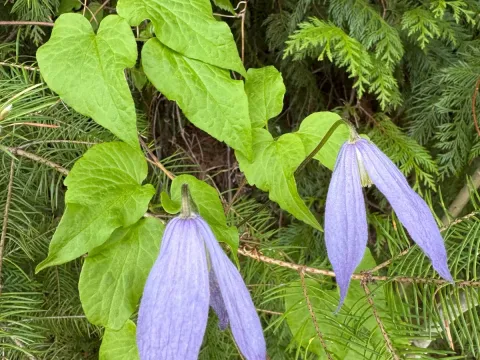
Western clematis (Clematis occidentalis) is a perennial woody vine belonging to the Ranunculaceae family. Native to North America, this species is highly valued in horticulture for its elegant bell-shaped flowers and its ability to thrive in diverse ecological niches, making it an excellent candidate for temperate zone landscaping.
The native habitat of this plant includes the forest understories and rocky slopes of North America. It is characterized by its significant cold hardiness and adaptability to varying light conditions. In cultivation, it performs best in regions that mimic its natural mountainous or forest-edge environment, where soil temperatures remain relatively cool and moisture is consistent throughout the growing season.
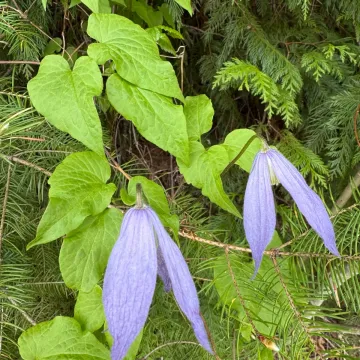
Botanically, the species is defined by its trailing or climbing vines that reach considerable lengths. The leaves are typically trifoliate, providing a lush green cover. The flowers, which emerge in spring, consist of four thin, petal-like sepals that range in color from soft lavender to deep purple. The plant produces plume-like seed heads in late summer, adding interest to the garden even after the flowering period concludes.
Successful cultivation requires careful site selection. The soil should be well-drained, rich in organic matter, and slightly alkaline. While the plant benefits from sunlight to produce flowers, protecting the root zone with mulch or companion planting is essential to maintain soil moisture and temperature. Regular pruning is recommended, primarily focused on removing dead wood and maintaining the shape of the vine after the blooming season.
The primary use of Western clematis is in ornamental landscaping, specifically for vertical structures such as trellises, fences, and walls. Maintenance of plant health requires vigilance against common issues like fungal wilt and powdery mildew. Proactive management involves ensuring proper air circulation, implementing a balanced fertilization schedule, and treating with systemic fungicides if environmental conditions favor pathogen development.
Photo gallery