Curlyheads
Clematis ochroleuca
Description
Clematis ochroleuca, commonly known as curlyheads, is an herbaceous perennial species belonging to the Ranunculaceae family. Unlike most clematis species that function as climbing vines, this specific plant develops as a low-growing, upright bush, making it an excellent candidate for specialized rock gardens and landscape borders.
The plant originates from North America, specifically distributed in the southeastern United States. It naturally thrives in prairie environments and rocky slopes, which defines its preference for open, sun-exposed locations with minimal competition from taller vegetation.
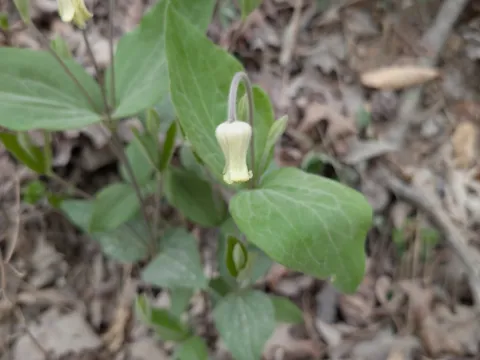
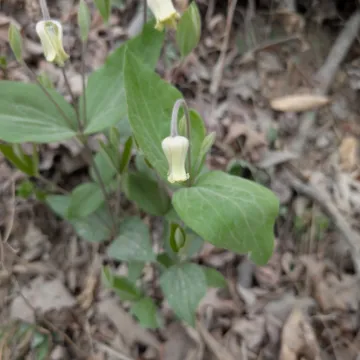
Botanically, it is distinguished by its leathery, pubescent leaves and distinctive bell-shaped yellow-white flowers. Following the blooming period, the plant produces attractive, feathery seed heads, which are considered a unique ornamental feature during the late summer season.
Agricultural requirements for Clematis ochroleuca involve providing well-drained, slightly alkaline to neutral soil. The plant is drought-tolerant once established but benefits significantly from consistent moisture during the early spring growth phase. Avoid planting in heavy clay soils that retain excessive water, as this can lead to root degradation.
- Full sun exposure for optimal flowering
- Excellent drainage to prevent root rot
- Application of mulch to maintain root coolness
- Limited pruning requirements
In terms of usage, this plant is primarily utilized in ornamental horticulture for restoration ecology or as a unique specimen plant. Typical pests include aphids and mites, which can be managed through regular monitoring and appropriate integrated pest management practices. Diseases are mostly limited to fungal leaf spots under humid or poorly ventilated conditions.
Photo gallery