Clematis orveniae
Clematis orveniae
Description
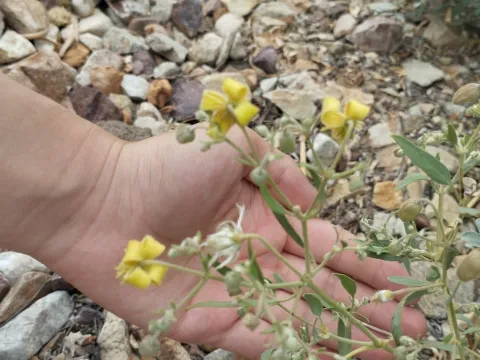
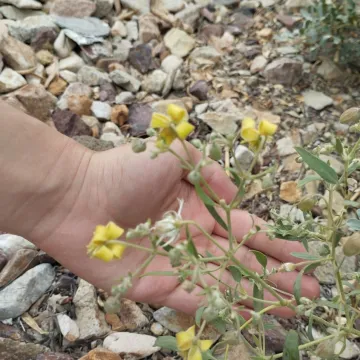
Clematis orveniae is a woody perennial vine that belongs to the Ranunculaceae family. This species is recognized for its unique climbing habit and distinctive floral morphology, making it a valuable subject for both botanical study and ornamental landscape development.
The native distribution of this species is associated with mountainous forest zones, where it has evolved to thrive in environments with specific light and moisture levels. Understanding its geographic origin is crucial for replicating the necessary microclimate conditions in modern cultivation settings, whether in specialized nurseries or private gardens.
Botanically, the plant is characterized by its flexible yet sturdy stems that require vertical support structures to reach its full vegetative potential. The leaf structure is complex, providing dense foliage coverage during the growing season. The root system is deep-reaching, enabling the plant to maintain stability and access mineral nutrients effectively from established soil profiles.
Agronomic requirements for Clematis orveniae prioritize soil aeration and consistent hydration. It performs best in well-draining, humus-rich soils with a near-neutral pH balance. Proper spacing during planting is essential to ensure adequate air circulation, which prevents the development of moisture-related pathogens within the vine's canopy.
- Provision of sturdy trellises for vertical growth.
- Application of organic mulch to regulate soil temperature.
- Consistent seasonal pruning to remove old or damaged wood.
- Regular monitoring for early signs of fungal infection.
In terms of хозяйственного use, this clematis is primarily utilized for decorative purposes, such as covering exterior walls, fences, and garden pergolas. Like other members of the genus, it can be susceptible to common garden pests such as aphids and spider mites. Effective disease management involves integrated pest management (IPM) practices and the judicious use of protective fungicides during humid periods.
Photo gallery