Clematis uncinata
Clematis uncinata
Description
Clematis uncinata is a perennial woody climber belonging to the Ranunculaceae family. It is distinct for its unique biological adaptation: its leaf petioles act as tendrils, allowing the plant to hook onto and climb various supports effectively. This aggressive climbing habit makes it a standout species among temperate vines.
Originating from the subtropical regions of China, this species thrives in humid forest environments. It is primarily found along riverbanks and mountain slopes where it receives filtered light. Its natural habitat dictates the need for consistent moisture and protection from harsh, dry winds in domestic landscapes.
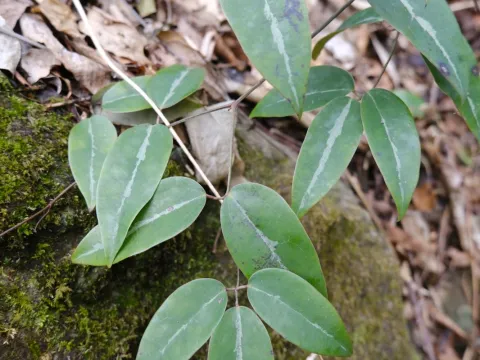
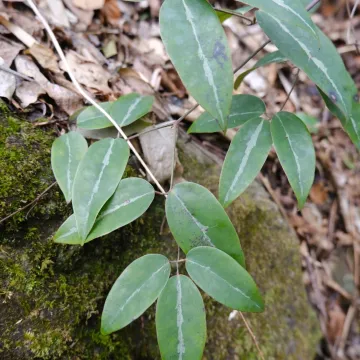
Botanically, the plant is characterized by clusters of small, fragrant flowers that typically bloom in the mid-summer. The foliage is composed of compound, glossy leaves that provide a dense green curtain. The growth rate is relatively fast, allowing the vine to cover large trellis systems within a few seasons.
Cultivation requires fertile, well-draining soil with a near-neutral pH level. For optimal performance, the root system must be kept cool, often achieved through thick organic mulch or the planting of low-growing companion plants at the base. Regular irrigation is necessary, though waterlogging must be strictly avoided.
The plant is primarily used for ornamental vertical landscaping, including covering arbors and high fences. Management involves seasonal pruning to control vigor and prevent tangling. Common threats include spider mites and wilt disease, necessitating periodic monitoring and the application of balanced fungicide regimes if environmental conditions favor pathogen spread.
Photo gallery