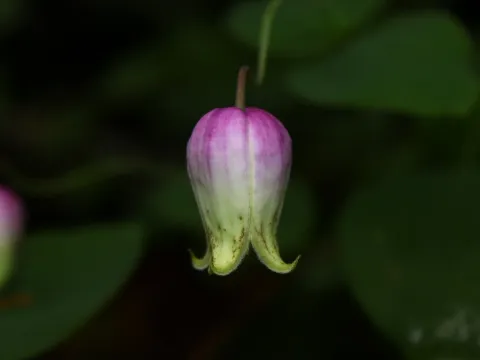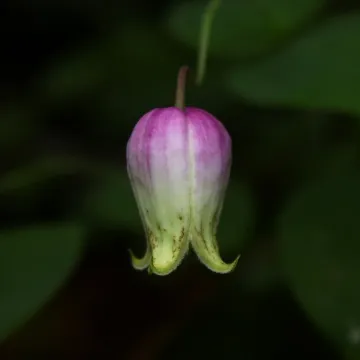
Clematis versicolor
Clematis versicolor
Description
Clematis versicolor is a perennial climbing plant belonging to the Ranunculaceae family. It is a distinct species recognized for its unique floral morphology and climbing habit, which distinguishes it from many common commercial hybrids. As a member of the diverse Clematis genus, it serves as an excellent specimen for botanical gardens and specialized landscaping projects.
The origin of Clematis versicolor is traced back to South American regions, including Brazil and parts of Argentina. It naturally thrives in forest margins and shrublands, where it utilizes its flexible stems to reach sunlight by climbing over neighboring woody vegetation. The plant is well-adapted to subtropical and temperate climates that provide moderate rainfall throughout the growing season.
Botanically, the species is characterized by its pinnate foliage and bell-shaped, often multi-colored flowers that shift hues as they mature. The root system is resilient but requires porous soil conditions to avoid hypoxic stress. Its growth habit is characterized by rapid vegetative development during spring and early summer, necessitating a sturdy support structure like a trellis or wire mesh to maintain vertical orientation.
For successful cultivation, growers must prioritize soil drainage and fertility. A neutral to slightly alkaline substrate enriched with organic matter is ideal. The plant benefits from a sunny location that provides shade for its roots, as high soil temperatures can impede healthy growth. Irrigation should be deep but infrequent to encourage root penetration into the lower soil horizons while preventing surface saturation.
The primary utility of this plant is ornamental, particularly for vertical gardening and covering garden structures. Regarding plant health, it is occasionally susceptible to powdery mildew in high-humidity environments and aphid infestations. Preventive measures include ensuring good air circulation around the foliage and applying appropriate fungicides or systemic insecticides at the first sign of pest activity.
- Support: Requires reliable vertical structures.
- Fertilization: Balanced NPK fertilizer applied in early spring.
- Winter care: Root zone insulation is recommended in colder regions.
Photo gallery