Clematis villosa
Clematis villosa
Description
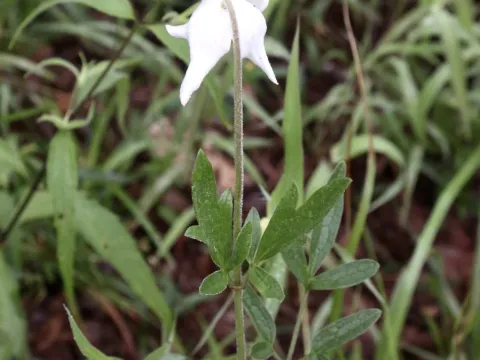
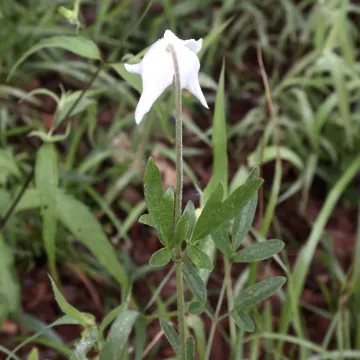
Clematis villosa is a distinctive perennial plant belonging to the Ranunculaceae family. Unlike the typical vining clematis species often seen in landscaping, this species is noted for its shrubby or semi-woody habit and its characteristic villous (hairy) stems and leaves, which provide a unique texture to any planting scheme.
The plant originates from Southern Africa, where it has evolved to thrive in regions with specific dry and wet seasonal patterns. Due to this evolutionary background, its cultivation range is primarily restricted to temperate or mild climates where it is not exposed to prolonged freezing temperatures, as it lacks the cold hardiness found in many common hybrids.
Botanically, the plant is recognized by its dense trichome coverage, which gives the foliage a soft, somewhat silvery appearance. It typically grows as a subshrub, reaching a manageable height. The flowers are generally solitary or borne in loose clusters, featuring delicate petals that emerge in shades ranging from white to pale purple or pink, depending on local conditions.
The agronomic requirements for Clematis villosa prioritize excellent soil drainage. It is highly susceptible to root decay if waterlogged, making the selection of a well-draining, gritty, or sandy-loam soil essential. In terms of location, it demands a sunny position that provides enough light for vigorous growth while being sheltered from harsh, drying winds that could damage its soft, hairy foliage.
Regarding its utility, the plant is primarily used as an ornamental specimen in rock gardens, herbaceous borders, and xeriscaping projects. Maintaining the health of the plant requires attention to common threats:
- Powdery mildew which can occur in humid, stagnant air conditions.
- Root rot caused by poor irrigation management or heavy clay soils.
- Aphid infestations during the fresh growth stage in spring.
- Need for seasonal pruning to remove dead wood and encourage next-season blooms.
Photo gallery