Vase vine
Clematis viorna
Description
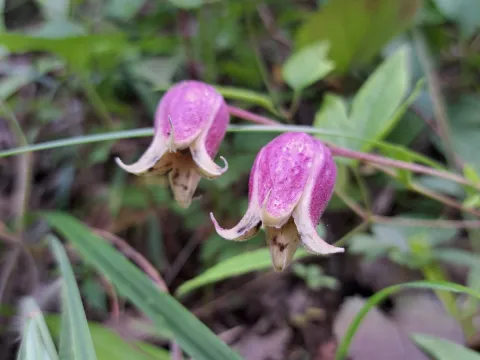
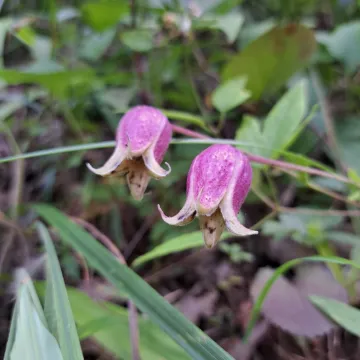
Vase vine (Clematis viorna) is a perennial climbing vine belonging to the Ranunculaceae family. Native to the eastern and central regions of the United States, this species is highly valued in horticulture for its unique, pitcher-shaped flowers that bloom in shades of purple, pink, and reddish-violet. The plant is a vigorous grower, often reaching heights of 2 to 3 meters when provided with suitable support structures.
The natural habitat of this species includes wooded areas and thickets, where it naturally climbs over shrubs and smaller trees. Due to its adaptability, the vase vine has become a popular choice for gardeners seeking native ornamental plants that offer both aesthetic beauty and structural interest in vertical gardening projects.
Botanically, Clematis viorna is distinguished by its pinnately compound leaves and nodding, bell-like blossoms that feature recurved tepals. After the flowering period, which spans from late spring through mid-summer, the plant produces distinctive feathery seed heads. These seed structures add late-season interest, maintaining the vine's visual appeal long after the initial blooms have faded.
Cultivation of the vase vine requires a site with well-draining, fertile soil and a balance of sun and partial shade. While the foliage thrives in sunlight, the root system prefers to remain cool and moist, which is typically achieved through mulching or by planting smaller perennials around the base. The vine performs best when protected from strong, drying winds and excessive moisture during the dormant season.
- Regular irrigation during dry periods to maintain consistent soil moisture.
- Spring pruning to remove dead wood and encourage new growth.
- Application of balanced fertilizer before the flowering season.
- Installation of sturdy trellises or arbors to support climbing stems.
- Root zone protection using organic mulch in colder climate zones.
In terms of practical use, the vase vine is primarily utilized for aesthetic purposes in residential and botanical landscapes. It is an ideal plant for covering pergolas, fences, and walls, where its delicate flowers can be observed up close. Its ability to thrive in diverse garden settings makes it a useful specimen for landscape architects focusing on native species and sustainable planting design.
Like many members of the genus, Clematis viorna can be susceptible to fungal issues, particularly wilt, if soil drainage is inadequate. Common pests include aphids and spider mites, which typically target new, tender growth during the early season. Keeping the garden clean, ensuring proper airflow around the plant, and applying integrated pest management strategies are essential for maintaining the health of the vine.
Photo gallery