Cleome amblyocarpa
Cleome amblyocarpa
Description
Cleome amblyocarpa is an annual herbaceous plant belonging to the Capparaceae family. Unlike its better-known ornamental cousins, this specific species is recognized primarily for its resilience in arid environments and its distinct chemical profile, which has sparked interest in agricultural and pharmaceutical research sectors globally.
The plant originates from the arid and semi-arid zones of Northern Africa and the Arabian Peninsula. It is highly adapted to extreme temperature fluctuations and low water availability. This natural adaptation makes it a subject of study for scientists looking to develop crops suitable for marginal, high-heat, and low-fertility agricultural lands.
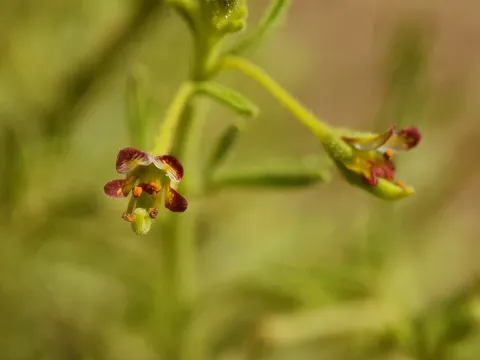
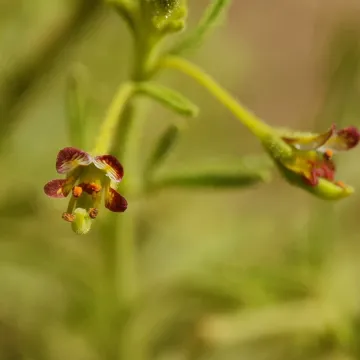
Botanically, it features a sturdy, erect stem with alternate leaves and unique fruit capsules that terminate in a blunt shape, giving the plant its specific name. The root system is deep-reaching, designed to tap into subsoil moisture. These characteristics allow the plant to thrive where standard crops would perish due to thermal stress or lack of hydration.
Cultivation requirements for this species include well-drained, sandy or alkaline soils. It performs best in full sunlight and requires very little supplemental irrigation once established. From an agronomic standpoint, the key to successful management is preventing waterlogging, as the species is highly sensitive to fungal infections caused by stagnant water in the root zone.
The economic utility of Cleome amblyocarpa is focused on its potential as a source of essential oils and bioactive compounds. Its extracts are often tested for antimicrobial and pharmacological properties. Common pests include various Lepidoptera larvae that consume foliage, while the primary disease risks are associated with root rot during periods of excessive rainfall or poor soil drainage.
Photo gallery