Cleome aspera
Cleome aspera
Description
Cleome aspera, commonly known as a type of spider flower, is an annual herbaceous plant belonging to the Cleomaceae family. The specific epithet aspera refers to the rough, glandular hairs that cover the stems and leaves, distinguishing it from other species within the genus. While often overshadowed by its ornamental relatives, this species occupies a unique niche in its native environment.
The plant is native to South and Southeast Asia, particularly regions in India and Sri Lanka. It primarily inhabits sandy riverbeds, coastal areas, and open habitats. Its distribution is strictly tied to tropical and subtropical climates where it can thrive in high-temperature environments with direct sun exposure.
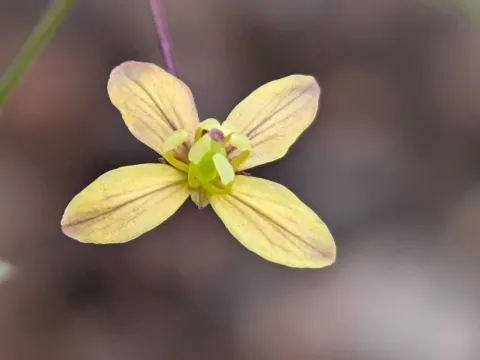
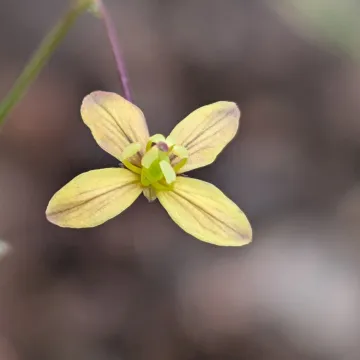
Botanically, Cleome aspera typically grows to a height of 30 to 60 centimeters. It features palmately compound, alternate leaves and distinctive flowers with four petals and elongated stamens. These flowers are highly specialized for insect pollination. The fruit consists of linear, dehiscent capsules that disperse seeds once they reach maturity.
Agricultural requirements for this crop focus on well-draining, sandy-loam soils and full sun exposure. It is highly adapted to arid conditions and does not tolerate waterlogging. Proper agrotechnical management involves careful soil preparation to ensure aeration and minimal competition from weeds during the early establishment phase of the plant's lifecycle.
Economic and practical applications include:
- Utilization in local ethnomedicine for its reported anti-inflammatory properties.
- Implementation in soil conservation programs, particularly for stabilizing sandy or degraded lands.
- Encouragement of beneficial insect populations in agricultural buffer zones.
Common plant health issues include fungal pathogens such as powdery mildew, which can develop in high-humidity conditions with poor air circulation. Pests like aphids and spider mites are known to infest the plant, particularly in drier growing seasons. Effective management involves integrated pest control strategies and maintaining proper spacing between plants to optimize airflow.
Photo gallery