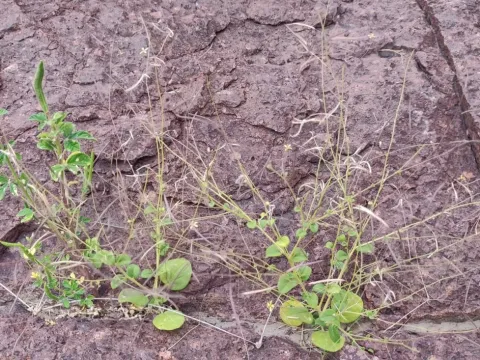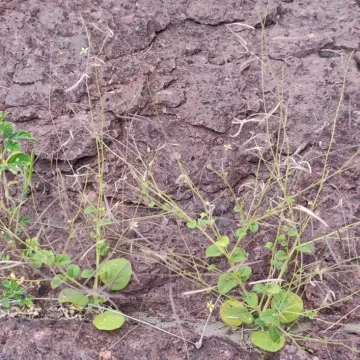
Cleome scaposa
Cleome scaposa
Description
Cleome scaposa is a specialized herbaceous plant belonging to the Cleomaceae family. Known for its remarkable resilience, this species has adapted to survive in some of the most arid environments on Earth. Unlike traditional agricultural crops, it thrives in environments characterized by extreme heat and erratic rainfall patterns.
The plant originates from the arid regions of North and East Africa and the Arabian Peninsula. Its natural habitat includes rocky slopes and desert plains, where it displays significant evolutionary adaptations to drought. These traits make Cleome scaposa a focal point for agricultural research aiming to improve crop performance in changing global climates.
Botanically, Cleome scaposa is characterized by a deep taproot system, which allows it to scavenge for water in deep soil horizons. Its foliage is often adapted to reduce transpiration, and its inflorescences exhibit the iconic structure typical of the Cleome genus. The plant’s life cycle is strictly regulated by environmental triggers, ensuring survival during extended dry periods.
Cultivation requirements for this species are specific: it demands well-drained, sandy soils and full sun exposure. It is highly sensitive to waterlogging, which can quickly lead to plant death. Proper agricultural management involves minimizing irrigation to match natural precipitation cycles and ensuring that soil aeration remains high throughout the growing season.
- Requires high solar radiation.
- Thrives in nutrient-poor, sandy soils.
- Extremely sensitive to root-zone moisture accumulation.
- Subject to spider mite infestations in dry conditions.
The primary utility of Cleome scaposa lies in its potential for land restoration and as a genetic model for drought tolerance in breeding programs. While it is not a traditional food crop, its ability to fix soil and withstand desert conditions makes it valuable for arid-land agronomy. Common diseases are predominantly fungal in nature, usually resulting from inadequate drainage or excessive humidity.
Photo gallery