Clerodendrum phlomidis
Clerodendrum phlomidis
Description
Clerodendrum phlomidis is a perennial shrub or small tree belonging to the Lamiaceae family. Recognized for its therapeutic potential, this plant is an essential component of indigenous medical systems across South Asia, where it is often referred to by local names reflecting its distinct medicinal utility.
The plant is native to the arid and semi-arid regions of India, Myanmar, and Sri Lanka. It typically thrives in open scrublands, along forest borders, and in waste areas. Its evolutionary history has endowed it with remarkable resilience to high temperatures and prolonged dry spells, making it a robust species within its ecological niche.
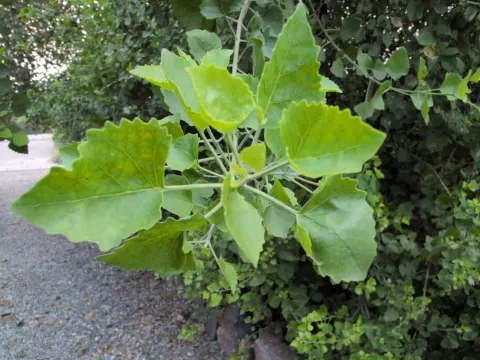
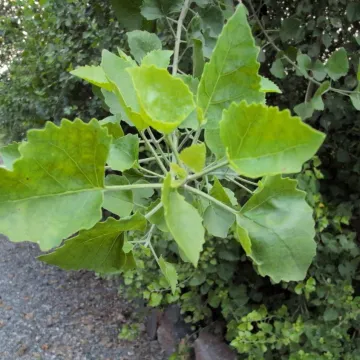
Botanically, it is characterized by its opposite, ovate leaves and terminal panicles of small, fragrant white or pinkish flowers. The root system is deep and expansive, facilitating survival in moisture-deficient soils. As an agronomic crop, it produces viable seeds that ensure its persistence and spread across cultivated habitats.
Cultivation requires well-drained, sandy or loamy soil and full sun exposure. It is highly sensitive to waterlogging, necessitating proper land grading and drainage management. Regular pruning is recommended to encourage bushiness and optimize the yield of leaves and woody parts for harvesting, while fertilization needs are minimal due to its adaptation to infertile soils.
Economically, the species is primarily harvested for the pharmaceutical industry. The extracts are utilized in the formulation of anti-inflammatory and hepatoprotective medicines. Additionally, the plant serves an important ecological role as a source of nectar for pollinators, thereby enhancing the overall stability of the local agricultural landscape.
- High tolerance to abiotic stress factors
- Significant content of secondary metabolites
- Adaptable to marginal agricultural lands
- Low requirement for chemical inputs
Photo gallery