Clerodendrum speciosum
Clerodendrum speciosum
Description
Clerodendrum speciosum is a stunning evergreen climbing shrub belonging to the Lamiaceae family. It is a well-known hybrid resulting from the cross-breeding of Clerodendrum thomsoniae and Clerodendrum splendens. This ornamental crop is highly valued by horticulturists for its vigorous growth habit and its spectacular, long-lasting inflorescences.
Originating from tropical environments, the species requires warm temperatures and high humidity to thrive. In terms of commercial or hobbyist cultivation, it is primarily grown in greenhouses, conservatories, or as an interior potted plant. It is not cold-hardy, and frost can be fatal to the specimen, meaning it must be protected from any temperature drops below 15°C.
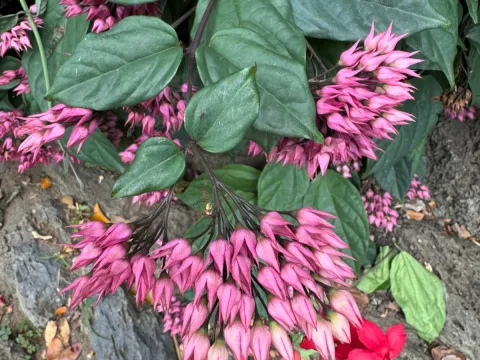
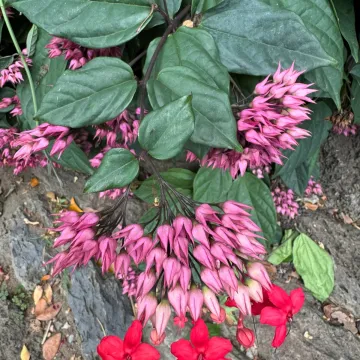
Botanically, the plant features dark, glossy green leaves that provide a lush backdrop for its unique flowers. The inflorescences consist of clusters of deep crimson-red petals encased in inflated, ivory-white calyces. This striking contrast is the defining visual characteristic of Clerodendrum speciosum, which remains in bloom for several months under ideal lighting conditions.
Cultivation requirements involve a well-draining, nutrient-rich potting mix with a slightly acidic pH. The plant demands a consistent moisture level in the substrate; however, excessive water retention must be avoided to prevent root rot. During the growing season, a balanced liquid fertilizer should be applied every two to three weeks to sustain the plant's metabolic needs and flowering potential.
In terms of practical application, the plant is widely used for indoor vertical landscaping and decorative display. Potential issues include infestations of spider mites, scale insects, and whiteflies, which thrive in low-humidity indoor environments. Regular pruning is essential to maintain the plant's structural integrity, control its size, and promote thicker branching and more abundant blooming.
- Light: Bright, indirect sunlight.
- Soil: Peat-based, porous soil mix.
- Watering: Keep soil consistently moist but never waterlogged.
- Pruning: Prune back after the blooming cycle ends.
- Humidity: Benefits from regular misting or humidity trays.
Photo gallery