Lily of the Valley Tree
Clethra arborea
Description
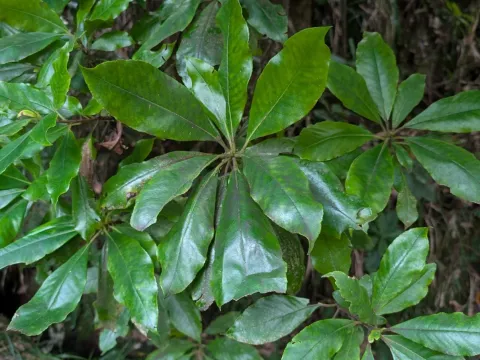
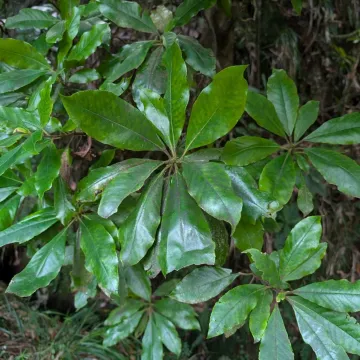
Clethra arborea, commonly known as the Lily of the Valley Tree, belongs to the Clethraceae family. This striking evergreen species is celebrated for its dense, glossy foliage and its beautiful, fragrant white flower spikes that resemble the traditional lily of the valley plant. It serves as an excellent ornamental specimen for mild-climate gardens.
Native to the island of Madeira, this tree thrives in humid, subtropical environments. Because of its specific climatic preferences, it is primarily cultivated in frost-free regions or protected environments such as conservatories and large greenhouses. It is not considered a traditional agricultural crop but is highly valued in botanical collections.
Botanically, the species is characterized by its woody structure and distinct inflorescences that bloom during the summer months. The leaves are leathery and evergreen, providing year-round visual appeal. Its ability to grow in woodland-like settings makes it a unique choice for specific garden landscapes that replicate its natural habitat.
Successful cultivation of Clethra arborea requires acidic, well-draining, and moisture-retentive soil rich in organic matter. The tree is sensitive to lime and heavy soils, which can lead to nutrient deficiencies. Consistent hydration is essential for the tree's health, particularly during the active growing season, as it lacks drought tolerance.
- Maintaining soil pH levels between 5.5 and 6.5.
- Providing dappled shade to protect foliage from harsh sunlight.
- Regular application of ericaceous fertilizers.
- Pruning after flowering to encourage dense growth.
Regarding pest and disease management, the plant is generally robust but can be susceptible to spider mites or scale insects, especially when kept in indoor conditions with low humidity. Root rot is a risk if the soil becomes waterlogged, so ensuring proper aeration and drainage is vital for long-term health and maintenance.
Photo gallery