Clibadium surinamense
Clibadium surinamense
Description
Clibadium surinamense is a perennial shrub species within the Asteraceae family. Known for its specific phytochemical profile, it is primarily recognized in tropical agriculture not only as a wild plant but also as a plant resource valued for its inherent insecticidal and piscicidal properties, which are utilized in traditional farming systems.
The plant originates from the tropical regions of Central and South America, with a broad distribution ranging from the Caribbean islands to the Amazon basin. It is typically found in humid tropical ecosystems, flourishing in disturbed areas, forest edges, and fallow fields where it acts as a pioneer species capable of rapid colonization.
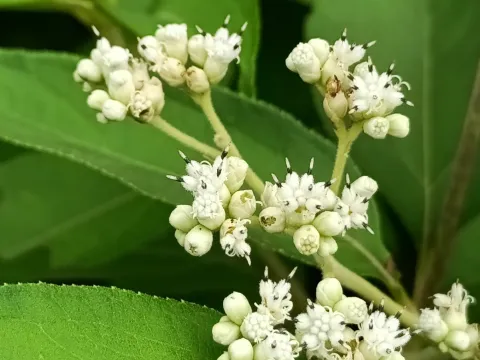
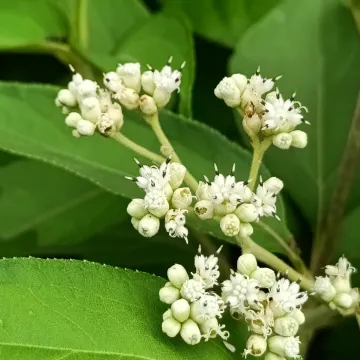
Botanically, Clibadium surinamense presents as a branching shrub, reaching heights of two to three meters. The leaves are typically opposite, often exhibiting varying degrees of pubescence. The inflorescences consist of small composite flower heads typical of the sunflower family, appearing in loose corymbs. The plant possesses a robust root system adapted to tropical soil types.
Agricultural requirements center on a tropical climate with high annual precipitation and consistently warm temperatures, ideally between 22°C and 30°C. It thrives in well-drained, nutrient-rich soils. Cultivation practice involves managing the plant's aggressive growth habit; pruning is often required to encourage leaf production, especially when the biomass is intended for pest control applications.
The economic value of this species lies in its secondary metabolites. Farmers in its native range apply crushed foliage to fields as a natural insect repellent or pesticide. This aligns with the increasing interest in agroecology, where Clibadium surinamense serves as a model for biological pest management. While it is generally robust, growers should monitor for leaf-spot fungi if the planting density leads to poor air circulation.
- Rich in terpenoids and secondary metabolites.
- Pioneer species with fast biomass accumulation.
- Strong natural resistance to most tropical pests.
- Valuable in sustainable organic pest control strategies.
Photo gallery