Clidemia dependens
Clidemia dependens
Description
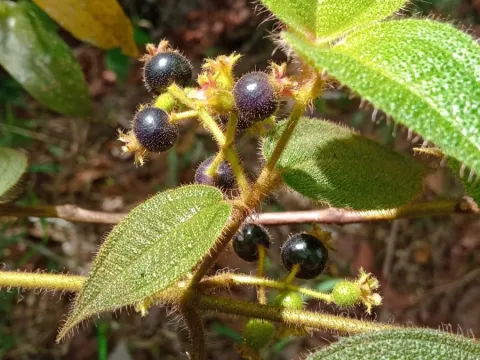
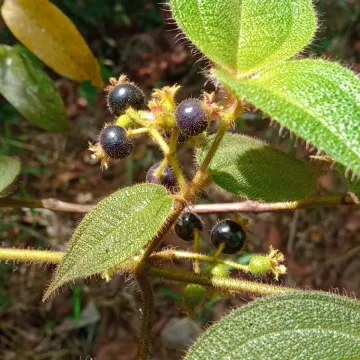
Clidemia dependens is a perennial evergreen shrub belonging to the Melastomataceae family. This species is known for its distinctive botanical structure and is primarily categorized as an ornamental plant or a specimen of interest in botanical research within tropical horticulture and greenhouse cultivation.
The plant originates from the tropical regions of Central and South America. Its natural habitat includes the understory of dense rainforests, where it thrives in shaded areas with high humidity and consistent tropical temperatures. Because of these specific origins, cultivation outside its native range requires strictly controlled indoor environments or specialized conservatories.
Botanically, the species is characterized by opposite leaves with prominent, arcuate venation, a hallmark feature of the Melastomataceae family. The stems are typically woody, and the plant produces small, delicate flowers arranged in drooping or pendulous inflorescences. This growth habit requires adequate space for the stems to arch gracefully, contributing to its aesthetic appeal.
Cultivation requires a well-draining, slightly acidic substrate rich in organic matter. Optimal growth is achieved at temperatures between 22°C and 28°C with high ambient humidity levels. Regular watering is necessary to keep the soil moist but not waterlogged, as poor drainage is a primary cause of physiological stress in this species. Balanced fertilization during the active growing season helps sustain leaf vitality.
In terms of practical application, Clidemia dependens is utilized primarily for its decorative value in botanical collections. Beyond ornamental use, the genus Clidemia is subject to phytochemical investigations, as its members often contain compounds of interest for potential medicinal applications, although such uses require rigorous scientific validation.
To ensure healthy plant development, attention must be paid to common pests and diseases:
- Spider mites, which thrive in low-humidity indoor settings.
- Root rot pathogens, often resulting from overwatering or inadequate soil aeration.
- Mealybugs, which tend to congregate in the leaf axils and stems.
Photo gallery