Alpine calamint
Clinopodium alpinum
Description
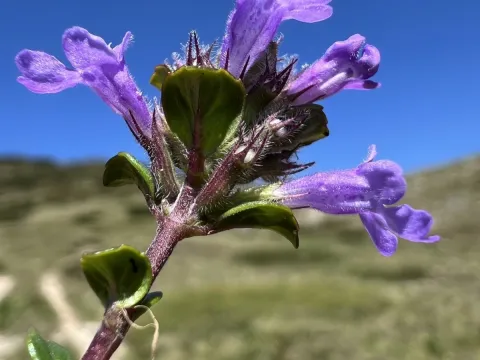
Alpine calamint (Clinopodium alpinum), often referred to as mountain thyme, is a perennial herb belonging to the Lamiaceae family. This species is characterized by its compact, low-growing habit and fragrant foliage, which contains essential oils similar to those found in other aromatic mint-family plants.
Native to the mountainous regions of Europe, particularly the Alps and Pyrenees, this plant is naturally adapted to rocky habitats and poor, stony soils. Its distribution range extends across high-altitude areas where it acts as a primary colonizer of exposed limestone screes, demonstrating remarkable resilience to extreme climatic shifts.
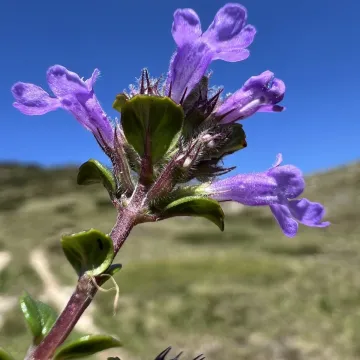
Botanically, the plant features semi-woody stems and distinct, dark green leaves that are often tinged with purple. Its inflorescences are composed of small, tubular flowers that appear in mid-to-late summer. These blooms are highly attractive to pollinators, making the crop a valuable asset for apiary-integrated farming systems.
Agronomic requirements for Alpine calamint focus on light, well-draining soil structures. It thrives in alkaline or neutral conditions and demands full sunlight for optimal growth and volatile oil production. Excess irrigation is the primary factor leading to crop failure, as the root system is highly susceptible to crown rot in waterlogged environments.
The plant is utilized in the food industry as a culinary herb and in the pharmaceutical sector for its antiseptic properties. To maintain a healthy crop, growers should monitor for specific issues:
- root rot caused by poor soil drainage;
- powdery mildew during periods of high humidity;
- aphid infestations in protected, poorly ventilated environments.
Photo gallery