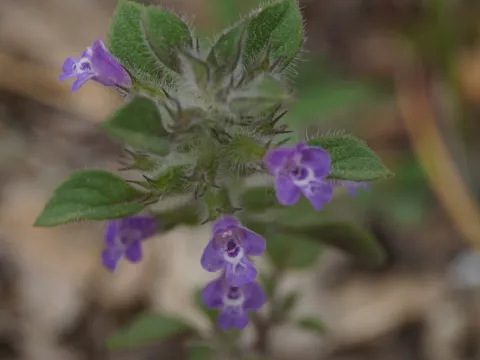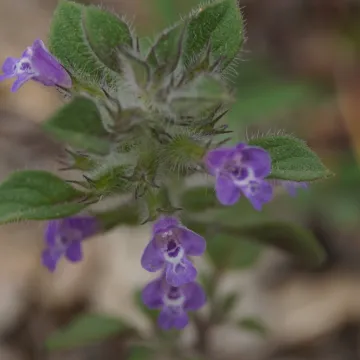
Clinopodium graveolens
Clinopodium graveolens
Description
Clinopodium graveolens is a perennial herb belonging to the Lamiaceae family. Often recognized as a valuable aromatic and medicinal crop, it is gaining traction in sustainable agriculture due to its ability to thrive in poor-quality soil conditions where other traditional crops might fail.
The plant originates from the Mediterranean basin and reaches eastward into the Caucasus and parts of Asia Minor. Its natural habitat includes rocky terrain, dry pastures, and sunny hillsides. Because of this evolutionary background, the species is exceptionally well-adapted to environments characterized by limited rainfall and intense solar radiation.
Botanically, the plant features branched stems and characteristic rounded leaves, which are rich in aromatic glands. The flowers are arranged in whorls, typically appearing in vibrant hues of purple or pink. It exhibits a low, spreading growth habit, which allows it to cover the soil effectively and suppress the development of competing weeds.
Agronomic requirements for this species are centered on proper drainage and sunlight. It performs best in well-aerated, limestone-rich soils. Fertilization should be kept to a minimum, as excessive nutrient input can interfere with the essential oil profile, which is the primary economic target for commercial growers.
The main commercial uses include the extraction of essential oils for the pharmaceutical and cosmetic sectors. Additionally, the plant serves as an ornamental species for rock gardens and a pollinator-friendly plant in agricultural landscapes, providing nectar for honeybees and other beneficial insects throughout its blooming season.
- High tolerance for alkaline soil conditions.
- Low water requirement once established.
- High biomass production of aromatic compounds.
- Good resistance to typical field environmental stress.
Pest management is relatively simple due to the plant's natural essential oils, which act as deterrents. However, fungal diseases such as root rot can occur if soil drainage is inadequate. Producers should focus on maintaining healthy spacing and monitoring moisture levels to ensure long-term crop viability and yield stability.
Photo gallery