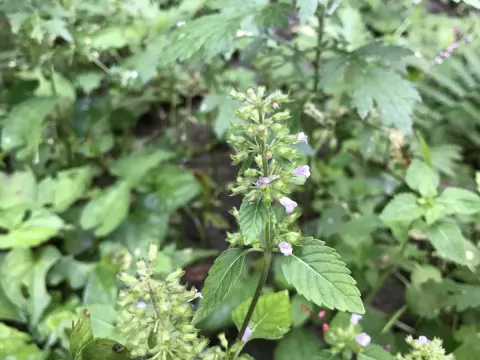

Small-flowered clinopodium
Clinopodium micranthum
Description
Small-flowered clinopodium (Clinopodium micranthum) is a perennial herbaceous plant classified within the Lamiaceae family. It is recognized for its unique chemical composition, which includes volatile oils that contribute to its potential use in the pharmaceutical and agricultural industries as a specialty aromatic crop.
The plant originates primarily from East Asia, including regions across China and Japan. It thrives in temperate climate zones, generally preferring forest edges or rocky terrain. When cultivated, it requires specific site conditions that mimic its natural habitat to ensure optimal development and concentration of bioactive compounds.
Botanically, Clinopodium micranthum features erect, branching stems reaching moderate heights. The foliage consists of opposite, ovate leaves, and the plant produces small, distinct pinkish-purple flowers grouped in whorls. Its biological structure allows it to withstand seasonal changes, provided the root system remains protected from prolonged waterlogging.
From an agronomic perspective, successful cultivation necessitates well-drained, nutrient-rich soils. The crop is light-demanding and performs best when planted in areas with high sun exposure. Essential field operations include site preparation with adequate organic enrichment and careful monitoring of soil pH levels to maintain a neutral environment conducive to healthy vegetative growth.
Regarding health management, the crop is susceptible to typical pests such as aphids and spider mites, which can be mitigated through integrated pest management strategies. Common fungal diseases, such as leaf spot, are often controlled by ensuring adequate spacing between plants to improve air circulation. Overall, this crop serves as a valuable resource for medicinal and essential oil production sectors.
Photo gallery