Clinopodium nepeta
Clinopodium nepeta
Description
Clinopodium nepeta, commonly known as lesser calamint, is a perennial herbaceous plant belonging to the Lamiaceae family. It is widely recognized for its strong, minty, and slightly lemony fragrance, making it a valuable crop for the production of essential oils and culinary herbs.
Originating from the Mediterranean region, this plant is naturally adapted to warm climates and rocky terrain. Its historical distribution spans across Southern Europe and parts of the Mediterranean basin, where it thrives in sunny, open habitats with good air circulation.
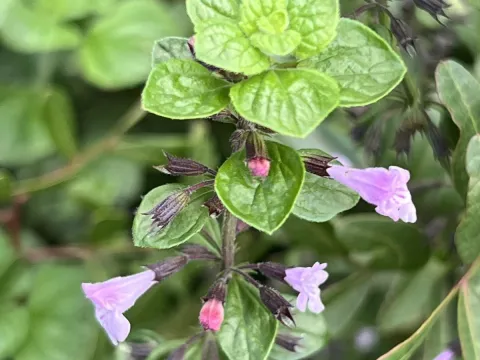
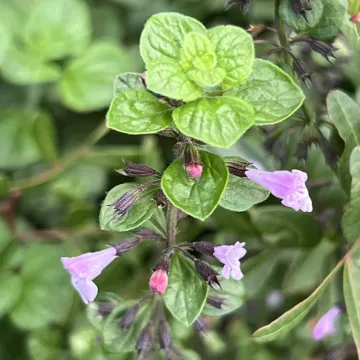
Botanically, it features branched stems growing up to 60 cm in height, characterized by small, oval-shaped leaves covered in glandular hairs. These hairs store the volatile oils responsible for the plant's unique aroma. The flowers, appearing in summer, are typically small and range in color from white to lavender, contributing to the plant's high ornamental appeal.
The agricultural requirements for this crop focus on well-drained, alkaline to neutral soil. It is drought-tolerant once established but requires careful management of irrigation during the first year of growth. It prefers full sun exposure, although it can tolerate light partial shade, provided the site remains dry and well-aerated to prevent moisture-related stress.
The commercial and practical utility of Clinopodium nepeta includes:
- Culinary use as a flavoring agent in Mediterranean cuisine.
- Essential oil extraction for the perfume and cosmetic industries.
- Landscape management for xeriscaping and sustainable garden design.
- Support for biodiversity through its role as a high-quality nectar source for pollinators.
The main challenges in production are associated with root rot and powdery mildew, particularly in regions with high humidity or poor soil drainage. Pest management is usually straightforward, as the plant's aromatic compounds act as natural deterrents for many common insects. Ensuring adequate spacing and practicing proper sanitation are the most effective methods to maintain a healthy crop.
Photo gallery