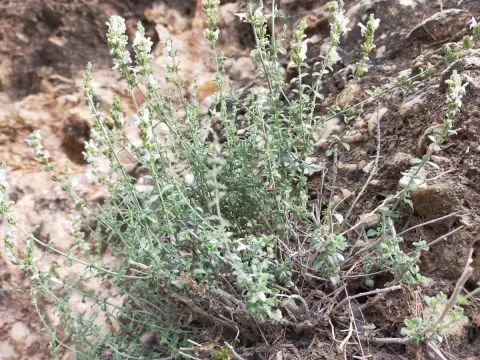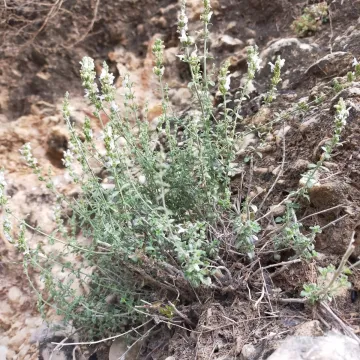

Clinopodium serpyllifolium
Clinopodium serpyllifolium
Description
Clinopodium serpyllifolium, commonly known as shrubby savory or micromeria, is a perennial subshrub belonging to the Lamiaceae family. This aromatic plant is recognized for its high concentration of essential oils, making it an economically viable crop for small-scale agriculture and herb production.
The species originates from the Mediterranean basin and the Balkan Peninsula. It naturally inhabits rocky slopes, limestone crevices, and arid landscapes. This evolutionary history makes it an ideal candidate for cultivation in regions with hot, dry summers and well-drained, nutrient-poor soil compositions.
Botanically, the plant features dense, branching stems with small, glandular leaves and small, tubular flowers. Its root system is relatively shallow but highly efficient at extracting moisture from rocky substrates. When cultivated, it maintains a compact, mat-forming growth habit that is highly resilient to wind and heat.
Successful cultivation requires full sun exposure and excellent soil drainage. Overwatering is the most common cause of crop failure, as the root system is highly susceptible to fungal pathogens in damp conditions. Fertilizer applications should be kept to a minimum to preserve the concentration of aromatic compounds in the foliage.
The crop is primarily harvested for culinary flavoring and essential oil extraction. It is noted for its antibacterial and antiseptic properties. While generally pest-resistant due to its pungent oil composition, standard disease management focuses on moisture control to prevent root rot during periods of high humidity.
- Thrives in poor, rocky soils.
- Excellent drought tolerance.
- High potential for essential oil production.
- Low maintenance and pest-resistant.
Photo gallery