
Clinopodium vimineum
Clinopodium vimineum
Description
Clinopodium vimineum is a perennial herb belonging to the Lamiaceae family. Often valued for its aromatic properties, this plant is increasingly recognized in specialty agriculture for the extraction of essential oils and its application in herbal medicine.
The species originates from temperate and subtropical areas in Asia. Its natural habitat includes moist forest edges and slopes, which provides essential clues for successful large-scale cultivation. It thrives best in regions that mimic its native environmental conditions.
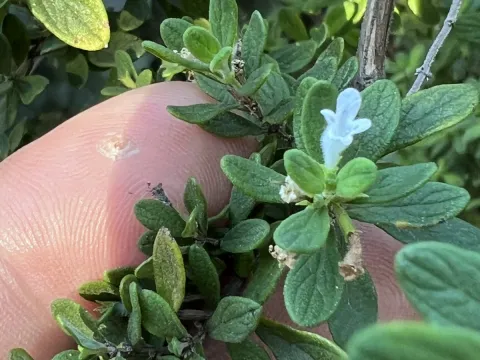
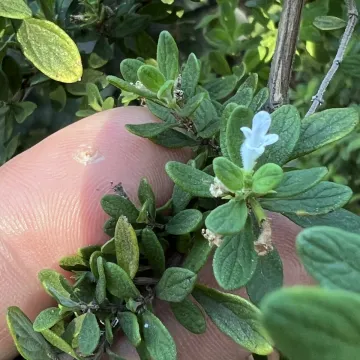
Botanically, the plant is characterized by its slender, whip-like stems and lanceolate leaves. Its growth habit is typically erect, reaching moderate heights. The flowers, gathered in dense axillary clusters, are visually distinct and typical of the genus Clinopodium.
For optimal production, growers should focus on providing well-drained, fertile soil. The plant requires consistent moisture, especially during the active growth phase. Light intensity is crucial; while it tolerates partial shade, full sun promotes higher oil concentration in the leaves.
Common agricultural challenges involve the management of pests such as spider mites and aphids, which can affect leaf quality. Fungal diseases, particularly powdery mildew, are common if air circulation is inadequate. Proper spacing and proactive monitoring are key to maintaining a healthy crop yield.
Photo gallery