Clitoria guyanensis
Clitoria guyanensis
Description
Clitoria guyanensis is a perennial herbaceous plant belonging to the Fabaceae family. Recognized for its resilience, it serves as a critical forage crop in tropical farming systems, where it thrives despite growing in poor, highly weathered, and acidic soils common in many South American landscapes.
The origin of this species is linked to the tropical regions of South America, specifically Guyana, Brazil, and surrounding areas. It is naturally adapted to savanna-like climates, demonstrating high durability against environmental stressors that would typically inhibit the growth of more sensitive leguminous species.
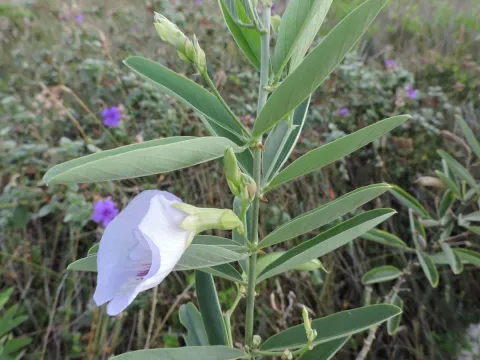
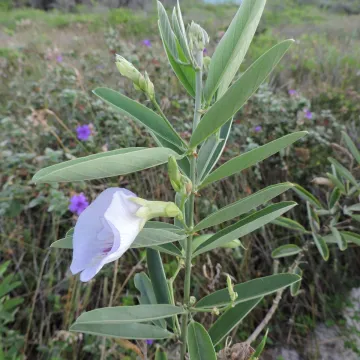
Botanically, the plant features a robust taproot system and trifoliate leaves, supporting the production of stems that can reach significant heights. Its flowers, characteristic of the Clitoria genus, exhibit vibrant coloration. The seed-bearing pods are typical of the family, and the plant's growth habit allows it to maintain productivity throughout the rainy season, making it a reliable source of biomass.
Regarding cultivation, Clitoria guyanensis requires full sun exposure and well-drained soils to reach its full potential. It is notably tolerant to aluminum toxicity, which is a major constraint in many tropical soils. Agricultural management typically involves clearing the land for initial sowing, with minimal supplemental fertilization—mostly phosphorus—needed to support nitrogen fixation and initial establishment.
The utility of this plant is multifaceted, primarily focusing on agricultural productivity:
- Livestock grazing due to its high crude protein content;
- Hay production to serve as a supplementary dry season feed;
- Soil restoration and nitrogen fixation, benefiting secondary crops in rotation;
- Erosion control on sloped terrains through dense root architecture.
The culture is susceptible to various fungal pathogens, particularly in high-humidity zones, which may lead to root rot or leaf spot. Furthermore, insect pests such as weevils may infest the seed pods, reducing yields. Integrated pest management, including crop rotation and monitoring, is essential to sustain long-term cultivation and ensure high-quality biomass production.
Photo gallery