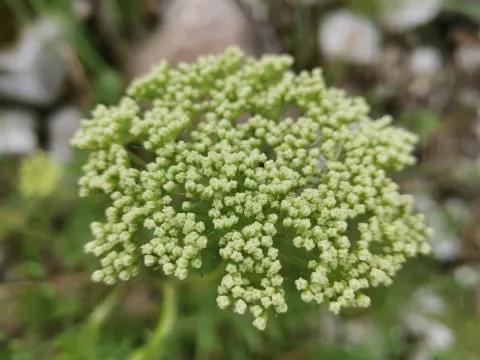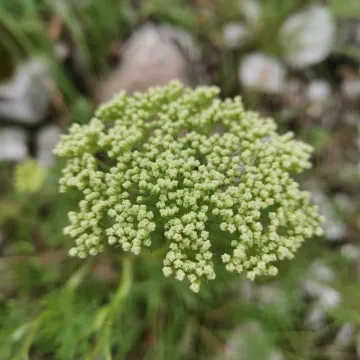
Cnidium silaifolium
Cnidium silaifolium
Description
Cnidium silaifolium is a perennial herb belonging to the Apiaceae family. While often found in wild habitats, it is increasingly studied as a specialized agricultural crop due to its rich secondary metabolite profile, which is highly valued in the production of natural medicines and bioactive additives.
The plant originates from the Mediterranean region and parts of Central Europe. It typically thrives in well-drained, sunny, and stony landscapes. In an agricultural setting, it demonstrates excellent adaptation to temperate climates, requiring stable light conditions and moderate water availability to ensure optimal growth and chemical composition development.
Botanically, the plant features a robust root system and upright stems that typically reach a height of 60 to 100 cm. The leaves are characteristically pinnate, and the plant produces complex umbels of white flowers. The seeds are rich in essential oils and coumarins, which are the primary economic drivers for its cultivation.
For successful production, farmers should prioritize light, aerated soils with a neutral pH level. Key agronomic practices include deep soil preparation to accommodate root expansion, careful weed control during the establishment phase, and minimizing soil compaction. Its drought-tolerant nature makes it an excellent candidate for marginal lands where traditional row crops struggle.
The economic value of this crop is multifaceted:
- Extraction of active compounds for pharmaceutical applications.
- Use in the perfume and cosmetic industries due to essential oil content.
- Support of biodiversity in farm landscapes as a beneficial pollinator-friendly plant.
Crop protection strategies are essential to manage common threats such as root rot (caused by waterlogging) and infestations of carrot fly or aphid populations. Maintaining a strict crop rotation cycle—avoiding consecutive planting in the same area as other Apiaceae family members—is the most effective way to prevent the buildup of soil-borne pathogens and pests.
Photo gallery