
Description
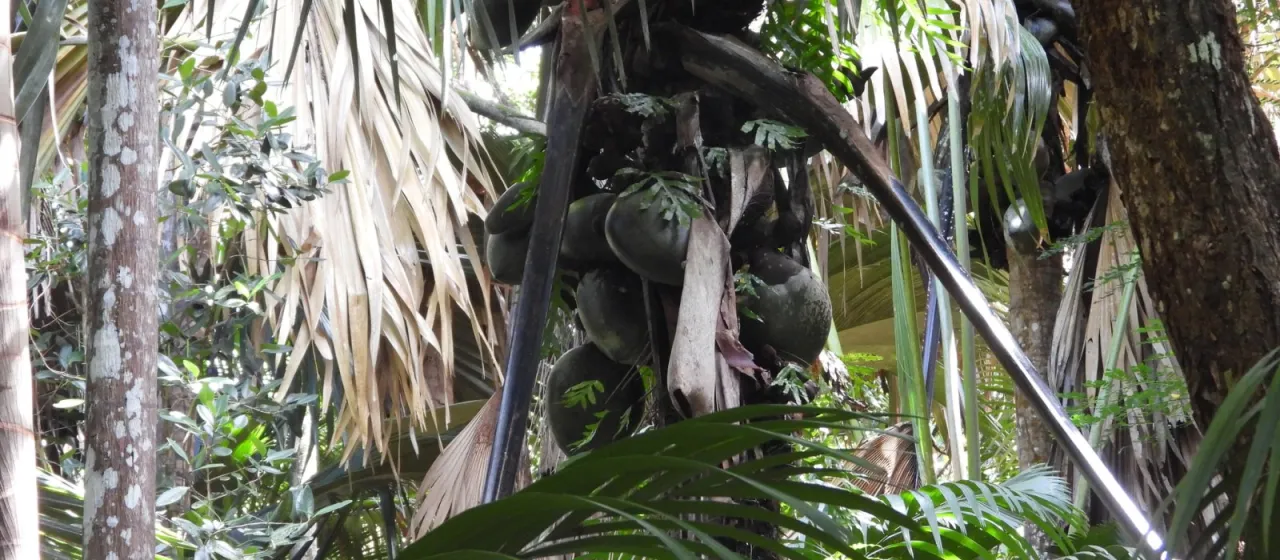
Coco de mer (Lodoicea maldivica) is a unique species of monocotyledonous plants in the Arecaceae family. This crop is world-renowned for having the largest and heaviest seeds in the plant kingdom. In agricultural science and specialized horticulture, it is regarded as a rare botanical specimen that requires highly specific tropical conditions for development.
The native habitat of this plant is restricted to the Seychelles, where it grows endemically on the islands of Praslin and Curieuse. In its natural environment, the species thrives in humid tropical forests with deep, humus-rich soils protected from high winds. The cultivation range is strictly limited to tropical zones characterized by high mean annual temperatures and constant moisture levels.
The botanical characteristics of the Coco de mer are remarkable: the palm reaches heights of up to 30 meters and possesses massive fan-shaped leaves that can grow to 3–4 meters in length. Pollination is achieved through cross-pollination, and the development of the fruit, commonly known as the sea coconut, takes between 6 and 7 years. The trunk is exceptionally sturdy and resilient, although the overall growth rate of the plant is extremely slow.
Agricultural requirements include maintaining an ambient air temperature between 24–30 degrees Celsius and high soil moisture. The crop is highly sensitive to substrate dehydration and requires well-drained, nutrient-dense soil with a neutral to slightly acidic pH. Commercial-scale production is hindered by the exceptionally long seed maturation cycle and the biological challenges associated with germination.
Economic use of Lodoicea is primarily limited to elite tropical landscaping and scientific collections. In Seychellois tradition, the fruits are used in handicraft production, and the endosperm has historically been utilized in local medicine. The plant is prone to specific fungal infections and pests, such as mealybugs, which necessitates rigorous phytosanitary monitoring to ensure the health of the specimens.