Coincya monensis
Coincya monensis
Description
Coincya monensis is a herbaceous plant species belonging to the Brassicaceae family, often recognized for its adaptability to sandy soils and coastal environments. As a relative of widely cultivated brassicas, it serves as a valuable subject for botanical research and agricultural exploration.
The plant originates from the western regions of Europe, particularly found along the coasts of the British Isles and parts of France. It is well-adapted to maritime climates, thriving in areas where soil drainage is high and the substrate is characterized by sandy or gravelly textures.
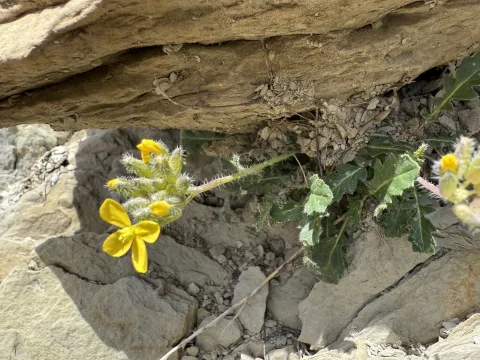
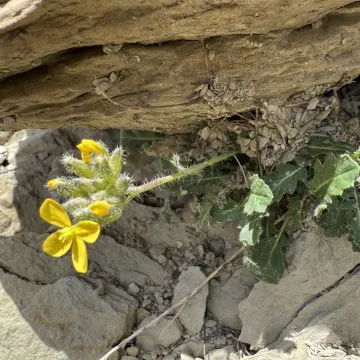
Morphologically, Coincya monensis is identified by its basal leaf rosettes and erect stems that produce bright yellow flowers. Its growth cycle is primarily determined by seasonal temperature fluctuations, with flowering occurring in late spring to mid-summer, followed by the development of silique-type fruit capsules.
For successful cultivation, the soil must be well-aerated to prevent root rot. Nitrogen management and the use of balanced mineral fertilizers are essential for maximizing vegetative development. Cultivation practices should focus on maintaining adequate spacing to ensure sufficient airflow, which helps in mitigating the risk of fungal infections.
The crop is utilized primarily for its ecological resilience and potential in breeding programs aimed at improving the stress tolerance of commercial cabbage relatives. Common challenges include flea beetles and various fungal pathogens such as white blister rust, which require integrated pest management strategies for effective control.
Photo gallery