
Cojoba arborea
Cojoba arborea
Description
Cojoba arborea is a prominent tropical tree species belonging to the Fabaceae family. Known for its rapid growth rate and ecological versatility, it serves as a critical component in agroforestry systems throughout its native range. It is highly valued for its ability to provide shade for coffee and cocoa plantations while simultaneously enriching the soil.
The native distribution of this tree extends across Central and South America, as well as the Caribbean islands. It thrives in humid lowland forests, showing a preference for regions with consistent rainfall and warm temperatures. Its adaptation to various tropical climates makes it a reliable species for reforestation initiatives and land restoration projects.
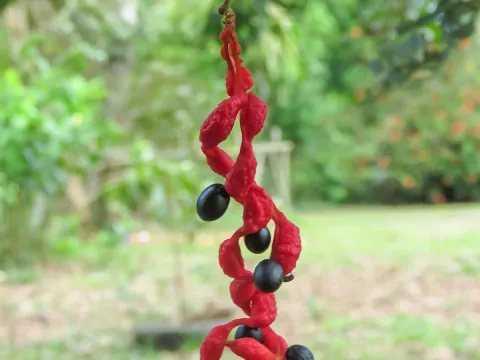
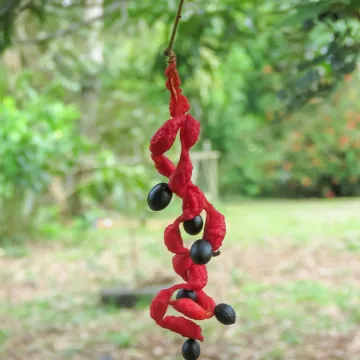
Botanically, Cojoba arborea is characterized by its bipinnate leaves and clusters of small, fragrant flowers. The fruit consists of coiled pods that split upon maturity, releasing seeds. Its root system is deep and expansive, which provides stability and helps in accessing water and nutrients from lower soil horizons during dry spells.
For optimal cultivation, the species requires well-drained, fertile soils with a slightly acidic to neutral pH. While it is hardy once established, young saplings demand consistent moisture and protection from intense weeds. Standard agronomic practices include systematic pruning to encourage structural strength and monitoring for potential nutrient deficiencies.
The tree has diverse agricultural and industrial applications:
- Timber production: The wood is dense, durable, and highly sought after for furniture making.
- Soil restoration: It effectively fixes nitrogen, improving fertility for adjacent crops.
- Erosion control: Its root structure makes it ideal for protecting hillsides.
- Windbreaks: It serves as an effective barrier to protect smaller crops from strong tropical winds.
Photo gallery