Spring meadow saffron
Colchicum bulbocodium
Description
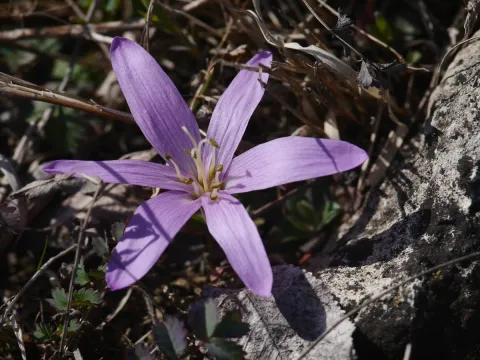
Spring meadow saffron (Colchicum bulbocodium, formerly Bulbocodium vernum) is a perennial bulbous plant belonging to the Colchicaceae family. It is recognized as an early spring ephemeral that produces vibrant blooms shortly after the snow melts in its natural mountain habitats.
The native distribution area includes the mountainous regions of Central and Southern Europe and parts of the Caucasus. Historically adapted to alpine meadows and rocky slopes, this plant thrives in environments that require high cold hardiness and the ability to complete its growth cycle during the cool spring season.
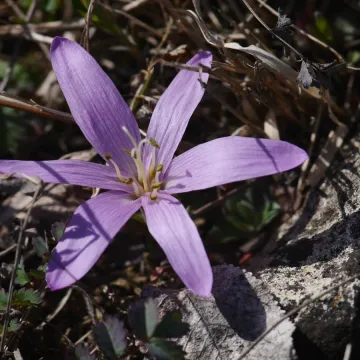
Botanically, the plant is characterized by its stemless structure, where the vivid pink-purple flowers emerge directly from the soil. The foliage follows the flowering period, consisting of linear leaves that eventually wither as the plant enters its summer dormancy phase. This physiological cycle is crucial for its survival in native mountain ecosystems.
Agricultural and horticultural requirements focus on perfect drainage and sunny locations. The soil should be light and nutritious to support the rapid development of flower buds. Planting is best performed in late summer to ensure that the bulbs are well-established before the winter dormancy period, with a depth of about 10–12 cm for optimal insulation.
Main usage is concentrated in specialized rock gardens and ornamental landscape design. The plant is generally hardy and resistant to most common pests; however, improper soil aeration or stagnant water can lead to bulb rot. Vigilance regarding drainage remains the most significant factor in maintaining a healthy population of this decorative species.
Photo gallery