Colchicum filifolium
Colchicum filifolium
Description
Colchicum filifolium is a perennial bulbous plant belonging to the Colchicaceae family. As a rare and specialized species within the Colchicum genus, it is highly sought after by collectors for its distinctive thread-like foliage and delicate floral display that characterizes its unique life cycle.
The plant originates from the Mediterranean region, specifically native to parts of Spain and North Africa. It is adapted to arid, rocky habitats where it survives long, dry summers by entering a period of dormancy. This Mediterranean heritage dictates its specific requirements for cultivation, particularly regarding light exposure and drainage.
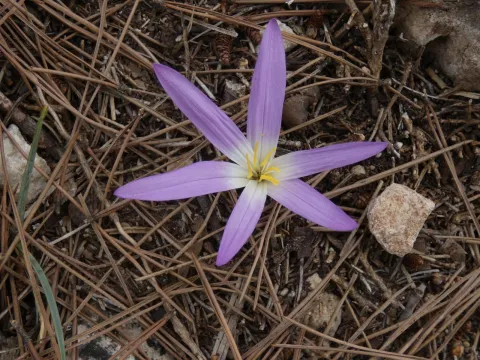
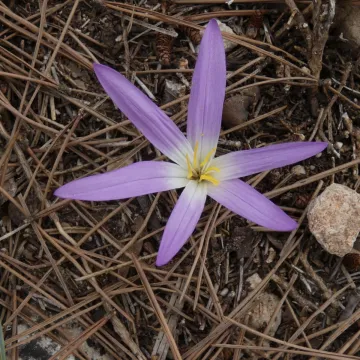
Botanically, it is defined by its small corm and slender, grass-like leaves that emerge after the flowering period. The flowers, which appear in late summer or autumn, are typically light pink or violet, providing a striking visual appeal during the cooler months. The plant's architecture is compact, making it well-suited for specialized displays.
Agricultural and gardening success depends on mimicking its native rocky environment. The soil must be exceptionally well-drained, as moist conditions during the summer dormancy period lead to rapid bulb decay. Planting should take place in full sun, and irrigation should be minimal, focused only on the active growth phases in spring and autumn.
- Requires gritty, well-draining soil mixes.
- Plant corms at a depth of 8–10 cm in late summer.
- Needs full exposure to sunlight for optimal flowering.
- Minimal fertilization is recommended to prevent excessive vegetative growth.
The primary use of Colchicum filifolium is aesthetic, serving as an exquisite addition to rock gardens, alpine troughs, and xeriscapes. It is not considered a commercial agricultural crop but remains an important genetic and ornamental resource. Gardeners should be aware that all parts of the plant contain toxic alkaloids and should be handled with care.
Photo gallery