Mountain meadow saffron
Colchicum montanum
Description
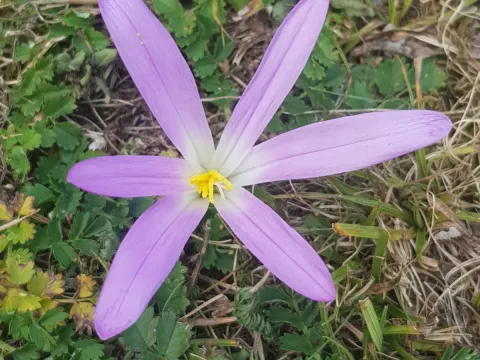
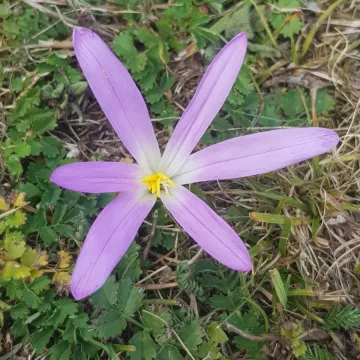
Mountain meadow saffron (lat. Colchicum montanum) is a perennial bulbous plant belonging to the Colchicaceae family. Native to the mountainous regions of Europe and the Mediterranean, this species has adapted to survive in harsh rocky environments. It is a highly valued ornamental plant due to its unique biological rhythm and delicate flower structure.
Botanically, the plant is characterized by a compact bulb that supports the growth of narrow, linear leaves and beautiful funnel-shaped flowers. The coloration of the petals ranges from white to shades of light pink and lilac. Its development cycle is highly specialized, allowing it to bloom effectively in short windows of suitable weather conditions typical for mountain climates.
Successful cultivation requires strict adherence to soil and moisture management. The plant demands well-drained soil, preferably a sandy or rocky substrate that prevents water stagnation. It thrives in locations with full sun exposure. Poor drainage is the primary cause of failure, as stagnant water leads to rapid bulb rot, especially during dormant periods.
In terms of practical use, the mountain meadow saffron is mainly cultivated for horticultural purposes, particularly in rock gardens, scree beds, and alpine displays. Beyond its aesthetic appeal, it is of interest to the pharmaceutical sector due to the presence of colchicine, a compound used in biochemical research. However, it is strictly an ornamental species and should not be consumed, as it is toxic.
Garden maintenance involves protecting the plants from common threats. Snails and slugs are the most frequent pests, as they feed on the succulent foliage. Diseases are primarily related to fungal pathogens caused by excessive humidity. To ensure a healthy crop, gardeners must maintain adequate spacing between plants and monitor the drainage efficiency of the site to avoid the development of crown rot.
Photo gallery