Palestinian meadow saffron
Colchicum palaestinum
Description
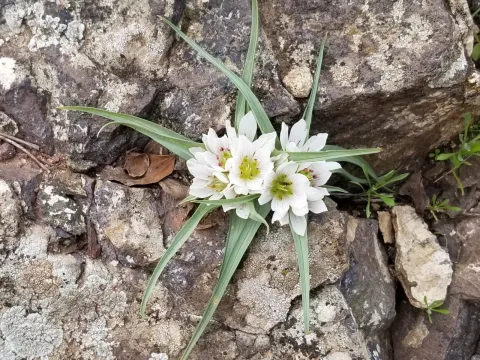
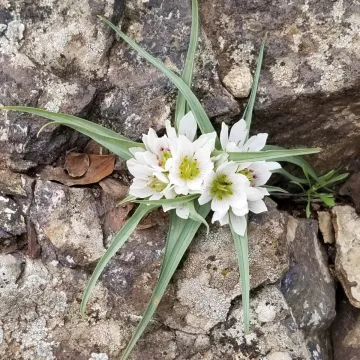
Palestinian meadow saffron (Colchicum palaestinum) is a perennial bulbous plant belonging to the Colchicaceae family. It is a geophyte known for its distinct phenology, where the flowers emerge in the autumn, while the vegetative foliage growth takes place during the spring season.
The native habitat of this species is located in the Middle East, primarily spanning regions in Israel, Jordan, and Lebanon. It typically inhabits rocky terrains, arid hillsides, and grasslands characterized by a Mediterranean climate with dry, hot summers and mild, wet winters, which have shaped its survival strategy.
Botanically, the plant is characterized by a corm that remains dormant underground for most of the year. The flowers are funnel-shaped, often displaying shades of pink to light purple. The leaves are basal, lanceolate in shape, and appear in the spring to synthesize nutrients, before yellowing and disappearing entirely as the summer heat sets in.
Cultivation requirements for Colchicum palaestinum emphasize the need for exceptional drainage. The plants thrive in sandy or rocky soils that mimic their natural environment. Overwatering during the summer dormancy period is the most significant threat, as it frequently leads to corm decay and total loss of the planting.
Economically and horticulturally, this plant is used primarily for ornamental purposes in rock gardens and landscapes where a late-season bloom is desired. While the genus is renowned for the production of colchicine, which is chemically significant, the plant itself is highly toxic and requires careful handling in domestic garden settings.
Maintenance challenges often involve managing potential issues such as:
- Fungal pathogens causing root and corm rot in poorly drained substrates.
- Gastropods, such as slugs and snails, which can cause severe damage to the spring foliage.
- Rodent activity, which may target the underground corms during the winter months.
Photo gallery