Ritchii meadow saffron
Colchicum ritchii
Description
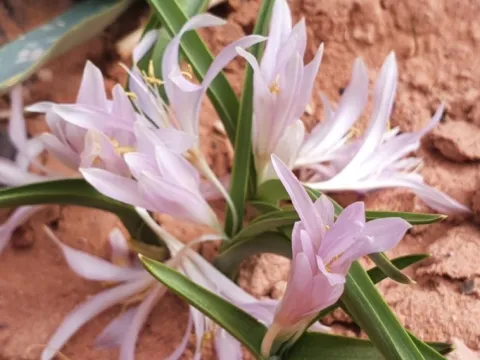
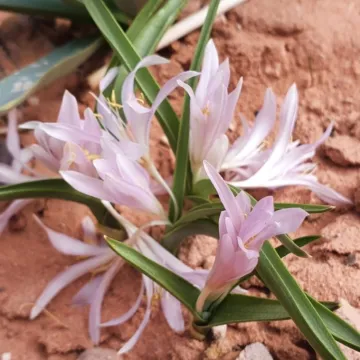
Ritchii meadow saffron (Colchicum ritchii) is a perennial herbaceous plant belonging to the Colchicaceae family. While not a conventional broad-acre crop, it remains a plant of significant interest for its high content of colchicine and related alkaloids, which are essential in both pharmacological research and specialized plant breeding.
The species originates from the arid regions of North Africa and the Middle East, primarily inhabiting rocky deserts and dry scrublands. Its geographic distribution is a direct result of its adaptation to extreme environments, where it must survive harsh dry summers by retreating into a dormant state underground.
Botanically, the plant is an ephemeral bulbous species. Its life cycle is strictly regulated by seasonal precipitation patterns. The flowering phase typically occurs in late winter or early spring, followed by a rapid development of leaves that wither away completely as temperatures rise and moisture levels drop, signaling the start of the summer dormancy.
For successful cultivation, the plant requires excellent soil drainage and a sunny location. Heavy, water-retentive clay soils are unsuitable and often fatal for the corm. Optimal agricultural practices involve sandy, gritty soils with low nutrient content, mimicking the natural substrate of its native range to prevent bulb rot during the dormant phase.
Economically, Colchicum ritchii is harvested or cultivated for medical raw materials. The management of the crop focuses on preventing moisture stress during the growing period and ensuring dry conditions during dormancy. Pathogen control is critical, specifically preventing fungal infections like Sclerotinia, which can decimate stocks if drainage is not strictly maintained.
Photo gallery