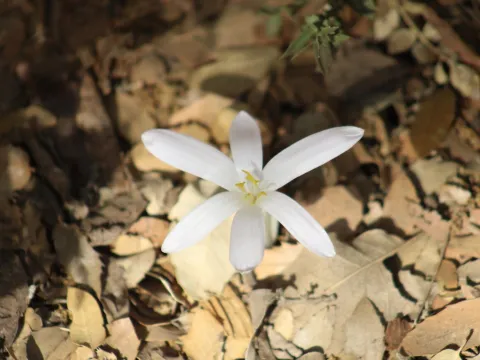
Troodos Meadow Saffron
Colchicum troodi
Description
Troodos Meadow Saffron (Colchicum troodi) is a rare species of perennial bulbous plant belonging to the Colchicaceae family. Known for its restricted geographic distribution, this plant is a notable endemic species that showcases unique evolutionary adaptations to its harsh mountainous native habitat.
The origin and natural range of this plant are confined to the Troodos Mountains of Cyprus. It thrives in rocky, calcareous slopes where it has adapted to intense Mediterranean sunlight and seasonal drought, which are essential triggers for its phenological cycles, including its late-season blooming period.
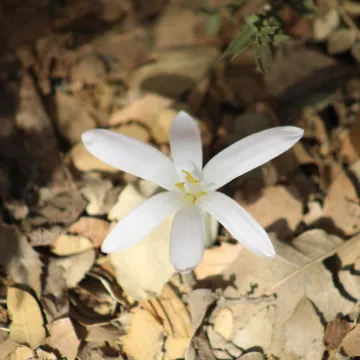
Botanically, Colchicum troodi displays a subterranean bulb that stores energy, supporting the development of foliage in spring and subsequent flower production in the autumn. The flowers are typically delicate, ranging in shades of pale pink to light purple, and lack the persistent foliage during the flowering stage.
Cultivation requirements for this species are specific: it demands excellent soil drainage and a position that receives full sun. In horticultural practice, it is recommended to plant it in substrates that mimic its native rocky environment to prevent rot. Overwatering, especially during the dormant summer period, is the primary cause of plant loss in cultivation.
While not a major commercial agricultural crop, the plant holds value in specialized rock gardens and scientific research. Because it contains colchicine, it is studied for its chemical properties, though practitioners must exercise caution as all parts of the plant are highly toxic if ingested and can cause skin irritation.
- Soil type: Alkaline or neutral, extremely well-draining grit-based soil.
- Climate zone: Mediterranean-type environment with distinct dry seasons.
- Propagation: Primarily through bulb offsets or seed stratification.
- Pest management: Protection against gastropods (snails/slugs) is essential in spring.
Photo gallery