Coleostephus paludosus
Coleostephus paludosus
Description
Coleostephus paludosus, commonly referred to as the swamp chrysanthemum or crown daisy, is a delightful annual flowering plant belonging to the Asteraceae family. Known for its cheerful, daisy-like blooms, it is a favorite among gardeners seeking reliable color and aesthetic appeal in their landscapes throughout the summer months.
The species is native to the Mediterranean region, particularly the southern parts of Europe and North Africa. It typically thrives in open, sunny areas and sandy soils. This natural habitat adaptation allows it to flourish in various garden settings, provided the environmental conditions mimic its ancestral Mediterranean climate with plenty of sunshine and temperate weather.
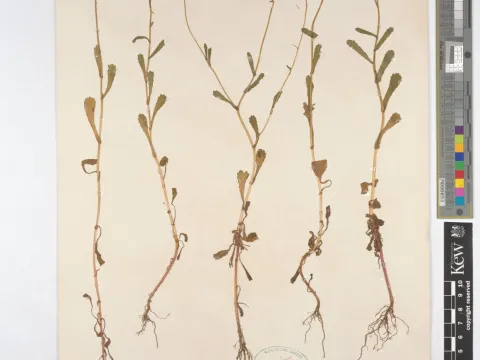
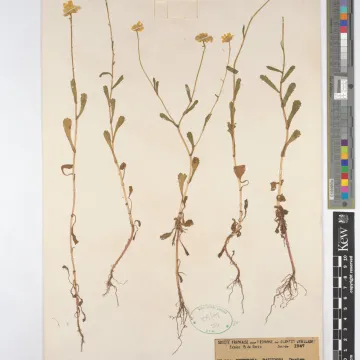
Botanically, this plant is characterized by its compact habit, usually reaching a height of 20 to 30 centimeters. It features serrated, bright green leaves and small, distinctive flower heads consisting of a sunny yellow disk surrounded by pristine white ray florets. These blooms appear in profusion, creating a dense, attractive foliage cover that lasts from late spring until late summer.
Regarding agrotechnical requirements, Coleostephus paludosus is relatively undemanding but thrives best when specific criteria are met. It requires full sun exposure to produce the most vibrant and numerous flowers. Soil should be fertile yet well-drained, as the plant is susceptible to root rot if left in waterlogged conditions. Propagation is generally achieved through seeds, which can be sown directly outdoors in the spring after the danger of frost has passed.
In terms of practical utility, the plant is primarily utilized in ornamental horticulture. It is an excellent choice for front-of-border planting, rock gardens, and container gardening. While it is generally robust, growers should monitor for common pests such as aphids or spider mites, especially in hot, dry conditions. Proper spacing and airflow are key factors in preventing fungal diseases, ensuring a healthy and prolonged bloom cycle.
Photo gallery