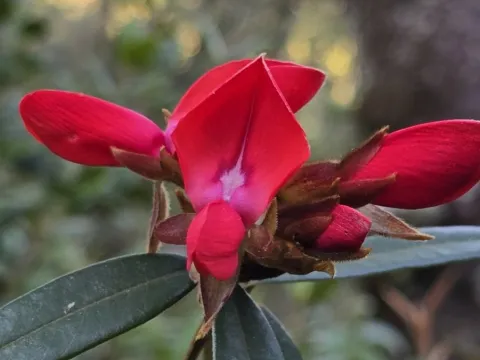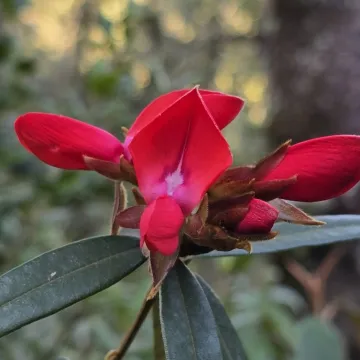
Collaea speciosa
Collaea speciosa
Description
Collaea speciosa is a perennial leguminous plant belonging to the family Fabaceae. This species is recognized for its adaptive capabilities and potential role in sustainable agriculture, particularly in regions where drought-resistant forage crops are highly valued.
The plant is native to South America, with its primary distribution found in countries such as Brazil and Argentina. It naturally thrives in open grassland ecosystems and forest margins. Its cultivation outside its native range is often experimental, focusing on its ability to adapt to various soil types and climatic conditions in temperate or subtropical zones.
Botanically, Collaea speciosa is distinguished by its compound leaves and typical papilionaceous flowers. The root system is capable of forming nodules with symbiotic nitrogen-fixing bacteria, which is a critical feature for enhancing soil nitrogen levels, thereby serving as an effective natural fertilizer component in cropping systems.
Regarding climate and soil, the plant prefers well-drained, nutrient-rich soils with a neutral pH. It requires a significant amount of solar radiation for optimal growth and is sensitive to frost. Agronomic practices should focus on weed management during the establishment phase and ensuring adequate irrigation during the initial development stages.
The primary agricultural and economic uses include:
- Integration into forage production for livestock grazing.
- Application in agroforestry to improve soil structure and fertility.
- Use as a cover crop to mitigate soil erosion.
- Research into phytochemical properties for potential industrial use.
Common pests and diseases include fungal pathogens that affect the roots in waterlogged soils, such as Pythium or Fusarium species. Insects like aphids and spider mites can also impact plant health, especially in dry conditions. Effective management involves monitoring and the application of integrated pest management (IPM) practices to maintain crop vigor.
Photo gallery