Colocasia antiquorum
Colocasia antiquorum
Description
Colocasia antiquorum is a perennial herbaceous plant belonging to the Araceae family. Often referred to as a type of taro, this crop is a staple carbohydrate source for millions of people in tropical and subtropical regions. Its primary economic value lies in its nutrient-rich starchy corms, which are harvested after a specific vegetative cycle.
The plant originates from Southeast Asia and has since been introduced to tropical zones across Africa, Oceania, and the Americas. It thrives in regions with consistently warm temperatures and high humidity, which are essential for the rapid development of its massive leaf structure and the subsequent accumulation of starch in the underground storage organs.
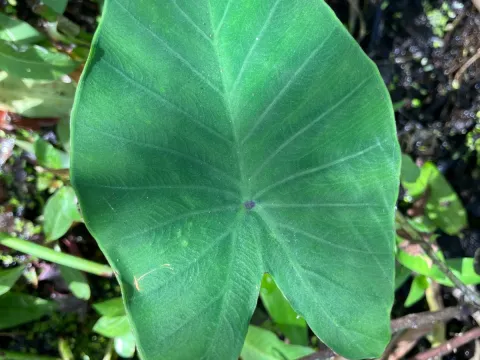
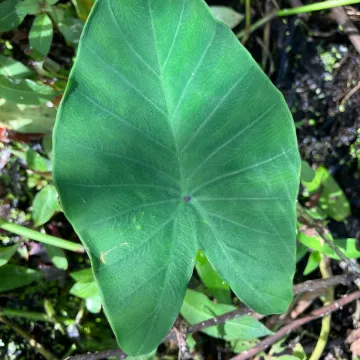
Botanically, the plant is characterized by large, peltate or heart-shaped leaves supported by long, succulent petioles. While the plant may produce inflorescences, it is almost exclusively propagated through vegetative means, specifically using suckers or corm pieces. This method ensures the uniformity of the crop and helps maintain the desired traits of the selected varieties.
From an agronomic perspective, the crop requires deep, fertile, and well-drained soils, although some varieties are adapted to high-moisture or swampy conditions. Farmers typically prioritize consistent moisture levels throughout the growing season to maximize corm size. Fertilization regimes are focused on nitrogen and potassium to support the rapid development of biomass and storage tissues.
The culinary use of this crop is extensive, though raw consumption is discouraged due to high concentrations of calcium oxalate crystals, which require thorough cooking to neutralize. Major pathogens affecting the crop include various fungal leaf blights and root rots, often triggered by water stagnation. Integrated pest management strategies are essential to mitigate the risk of nematode infestations and aphid colonization.
Photo gallery