Colophospermum mopane
Colophospermum mopane
Description
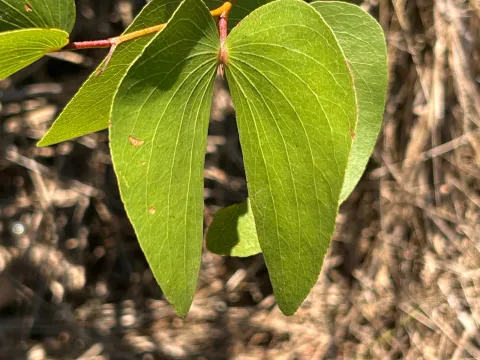
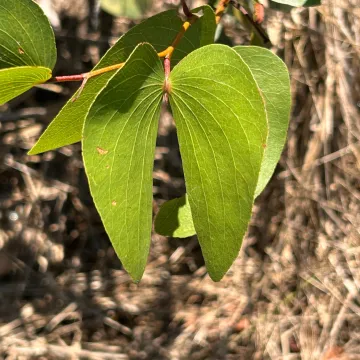
Colophospermum mopane is a prominent woody plant belonging to the Fabaceae family, native to the hot, dry regions of southern Africa. Known widely as the mopane tree, it exhibits significant variability in form, ranging from a multi-stemmed shrub to a tall, single-trunk tree. It is instantly recognizable by its distinct, butterfly-shaped leaves, which are highly efficient at minimizing transpiration in arid climates.
The geographic range of mopane spans across Botswana, Namibia, Zimbabwe, and parts of South Africa and Angola. It occupies vast tracts of savanna, often forming dense, nearly monospecific stands. This plant is a master of survival, specifically adapted to environments with high temperatures and long, severe droughts, making it a critical species for desertification control and ecological stability in its native range.
Regarding cultivation requirements, mopane thrives in areas with full sun and well-drained soils. While it shows remarkable tolerance to poor nutrient profiles and diverse soil textures, it is intolerant of waterlogged conditions. Successful establishment of mopane plantations requires careful management of seedling growth, as they are slow to develop initially but become extremely hardy once their deep taproot system is established.
Economically, the mopane tree is prized for its heartwood, which is incredibly hard, heavy, and resistant to wood-boring insects and termites. This timber is highly sought after for construction, fence posts, railway sleepers, and high-quality charcoal production. Additionally, the tree plays a vital role in local agro-pastoral systems, as its leaves are highly nutritious and remain available for browse during the dry season when most grass has withered.
Ecologically, the tree is famous for supporting the mopane worm (the caterpillar of the emperor moth), which is an essential protein source for rural communities. In terms of health, mopane is generally robust, with very few pests or diseases posing a threat to mature specimens. Management usually focuses on sustainable harvesting of branches for fodder and wood, ensuring the tree's ability to regenerate through coppicing.
- Excellent tolerance to drought and heat.
- Timber with superior resistance to decay and termites.
- High nutritional value of leaves for livestock and game.
- Economic importance due to the harvesting of edible caterpillars.
Photo gallery