Colquhounia coccinea
Colquhounia coccinea
Description
Colquhounia coccinea is an ornamental, semi-evergreen shrub that belongs to the Lamiaceae family. Known for its distinctively vibrant flowers and attractive foliage, this plant is a popular choice for gardeners seeking exotic aesthetics in milder temperate or subtropical regions.
The species is native to the Himalayan region, specifically ranging across Nepal, Bhutan, and Northern India. It thrives in mountain forest margins, indicating a preference for environments with good air circulation, moderate temperatures, and protection from extreme climatic events such as harsh winters or scorching, arid heat.
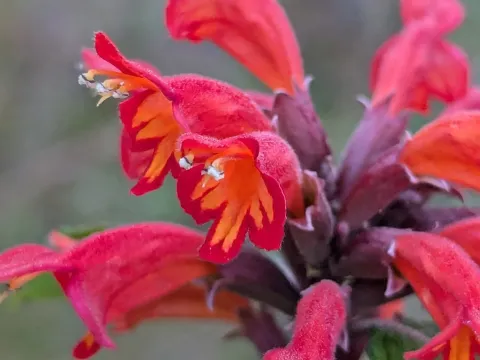
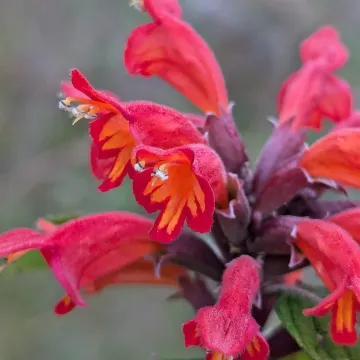
Botanically, Colquhounia coccinea is characterized by its woody stems and opposite, ovate-lanceolate leaves with a velvety texture due to fine pubescence. Its primary attraction is the tubular, scarlet-orange flowers arranged in whorls, which typically bloom from late summer through autumn, providing a critical late-season nectar source in natural habitats.
To ensure successful cultivation, provide a well-draining soil mix enriched with organic matter. The shrub performs best in full sun or light dappled shade. It is vital to maintain consistent soil moisture during the growing season while ensuring the soil does not become waterlogged, as poor drainage is a primary cause of root health issues.
Maintenance involves routine pruning to encourage a bushier habit and to remove winter-damaged growth. While generally resilient, the plant can be susceptible to common greenhouse and garden pests like aphids and spider mites. Regular monitoring and maintaining appropriate humidity levels are recommended to prevent fungal outbreaks during periods of high humidity.
Photo gallery