Bladder senna
Colutea arborescens
Description
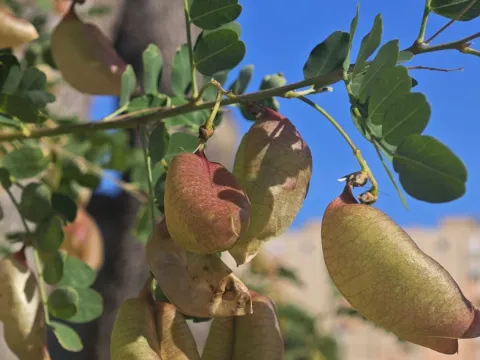
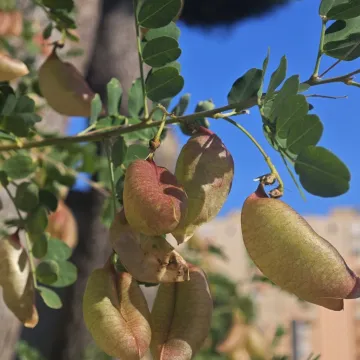
Bladder senna (Latin: Colutea arborescens) is a notable deciduous shrub belonging to the Fabaceae family. It is widely recognized for its ornamental fruit, which manifests as papery, bladder-like pods that remain on the plant throughout the summer. The shrub typically grows to a height of 3 to 4 meters, featuring elegant, pinnate foliage and a graceful, open branching structure.
The plant is native to the Mediterranean region, Southern Europe, and parts of North Africa. Due to its historical range, it is well-adapted to warm, temperate climates. Over time, it has been cultivated in various parts of the world, particularly valued for its ability to thrive in challenging soil conditions where many other decorative shrubs would struggle to survive.
Botanically, it is characterized by its bright yellow, pea-like flowers that bloom in clusters. Like many members of the legume family, Colutea arborescens possesses the unique biological ability to fix atmospheric nitrogen via symbiotic bacteria in its roots. This process enhances soil fertility, making it a valuable addition to permaculture landscapes and sustainable garden projects.
Regarding cultivation requirements, bladder senna is an exceptionally hardy and drought-tolerant plant once established. It thrives in full sun and requires well-drained soil, preferably with an alkaline pH. It is highly resistant to heat and can tolerate impoverished, rocky substrates. Maintenance is relatively simple, requiring only occasional pruning to maintain its shape and promote healthy seasonal growth.
The economic and ecological uses of bladder senna include:
- ornamental planting in parks and large home gardens;
- serving as an excellent honey plant for supporting local bee populations;
- soil stabilization on steep, erodible slopes;
- use in land reclamation projects to restore vegetation on degraded soils.
The plant is generally robust, although it can occasionally be affected by powdery mildew during humid seasons. Pests such as aphids may sometimes colonize tender new growth, though they rarely cause fatal damage. Good air circulation and proper plant spacing are the most effective preventative measures against both fungal pathogens and pest outbreaks.
Photo gallery