Oriental bladder senna
Colutea orientalis
Description
The Oriental bladder senna (Colutea orientalis) is a deciduous flowering shrub belonging to the Fabaceae (legume) family. It is widely recognized for its unique bladder-like seed pods, which are a characteristic feature of the genus.
The native range of this species covers regions of Asia Minor and the Caucasus. It is naturally adapted to dry, stony slopes and mountainous environments, which contributes to its reputation as a resilient plant capable of thriving in poor soil conditions and arid climates where other crops might fail.
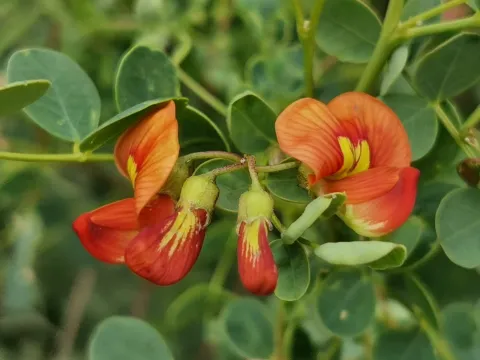
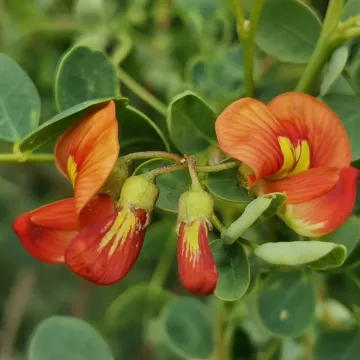
Botanically, the plant features pinnate foliage with a bluish-green hue and distinctive orange-red pea-like flowers. Its most prominent feature, the inflated pod, develops after pollination and can persist on the shrub throughout late summer. These pods are light and papery in texture, helping the plant in seed dispersal by wind.
Cultivation requirements for the Oriental bladder senna are relatively straightforward. The species demands full sun exposure and well-drained, alkaline or neutral soil. It is highly drought-tolerant once established and does not require frequent fertilization. Pruning should be performed in early spring to maintain a compact shape and encourage vigorous new flowering shoots.
In terms of agricultural and landscape application, this shrub is highly valued for erosion control on sandy or steep embankments. It is an excellent choice for xeriscaping, providing seasonal beauty with low maintenance. While generally robust, it should be monitored for common legume pests like aphids, though it rarely suffers from severe diseases in well-drained locations.
Photo gallery