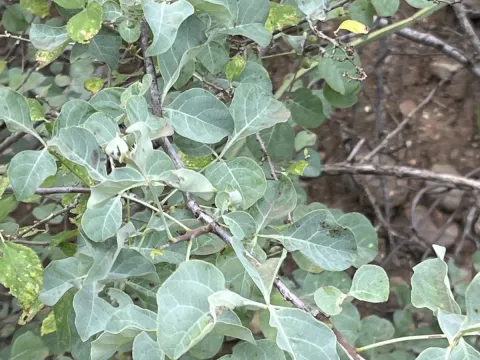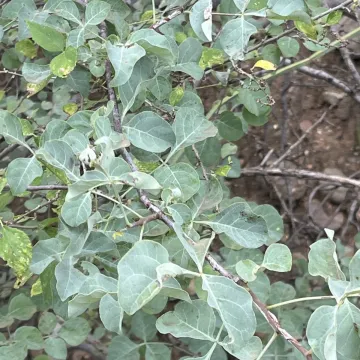

Commiphora campestris
Commiphora campestris
Description
Commiphora campestris is a perennial woody plant species belonging to the Burseraceae family. Recognized for its resilience and unique physiological properties, this plant is primarily valued for its capacity to produce aromatic resins. As a agricultural crop, it is cultivated in regions where traditional agriculture is often non-viable due to severe environmental constraints.
Native to East Africa, this species thrives in arid and semi-arid landscapes. Its geographical range encompasses regions characterized by sparse rainfall and intense heat. The plant has adapted over generations to survive in nutrient-poor, rocky substrates, making it an excellent candidate for agricultural development in marginalized, drought-prone climates.
Botanically, it presents as a shrub or small tree with a highly efficient root system designed for water acquisition. The plant features distinctive glandular tissue that secretes resin, serving as a defensive mechanism against pests and desiccation. Its slow growth rate is compensated by its extreme durability and long lifespan, which is typical for specialized xerophytes.
Cultivation requirements demand attention to soil structure and moisture management. The species thrives in well-drained, sandy, or rocky soils with neutral to alkaline pH levels. Agrotechnology for this crop focuses on replicating a xeric environment, strictly avoiding over-irrigation. Proper pruning and managed stress can often stimulate the production of higher quality resin.
The primary economic value of Commiphora campestris lies in its resin, which is harvested for industrial use in fragrance, cosmetics, and traditional medicinal formulas. Furthermore, it plays a vital role in ecological land management, particularly in stabilizing soils against erosion. While generally hardy, the plant is susceptible to wood-boring insects and fungal root pathogens, especially if introduced into regions with humid climates or poor soil drainage.
Photo gallery