Commiphora gileadensis
Commiphora gileadensis
Description
Commiphora gileadensis is a perennial shrub or small tree belonging to the Burseraceae family. It is famously recognized as the botanical source of the historical "balm of Gilead," a highly prized aromatic resin mentioned in ancient texts. The plant features a gnarly, drought-resistant structure that allows it to survive in harsh, arid environments where other species fail to establish.
The plant originates from the dry regions of the Arabian Peninsula, East Africa, and the Levant. Its native range is characterized by intense heat and low rainfall, making it an excellent candidate for xeriscaping and sustainable agriculture in arid zones. It is remarkably resilient to extreme temperature fluctuations and thrives in habitats that are otherwise unsuitable for conventional crops.
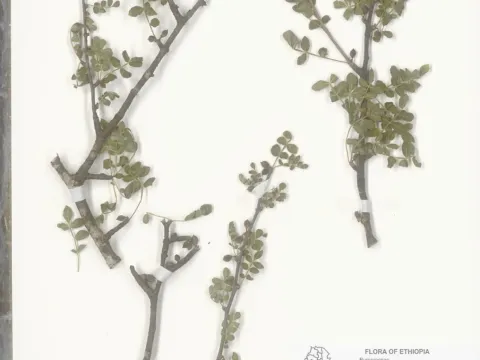
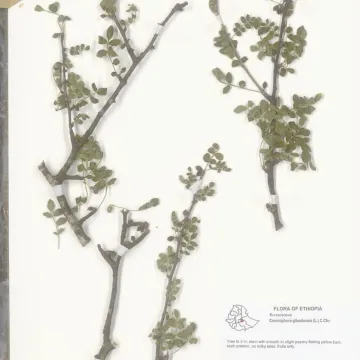
Botanically, Commiphora gileadensis is characterized by specialized secretory canals within its bark and wood that produce the characteristic resin. It possesses small, compound leaves that are often shed during prolonged drought to minimize water loss. The flowers are typically inconspicuous, while the fruits are small, fleshy drupes that house the seeds, which are dispersed primarily by local fauna.
Successful cultivation requires soil that mimics the plant’s natural habitat: sandy, well-draining, and stony soils are ideal. Agronomic management involves extremely low water inputs; overwatering is the most common mistake, as it inevitably leads to fungal root rot. Propagation is most successful through stem cuttings, which ensure the retention of desirable resin-producing traits, as seedlings can show high variability.
Economically, the species is cultivated for its high-value resins used in the fragrance, cosmetic, and traditional medicine industries. Furthermore, the timber is occasionally used for small-scale local crafts. Growers must monitor for pests such as sap-sucking insects and spider mites, and maintain impeccable drainage standards to prevent soil-borne pathogens from decimating the plantation.
Photo gallery