Japanese coniogramme
Coniogramme japonica
Description
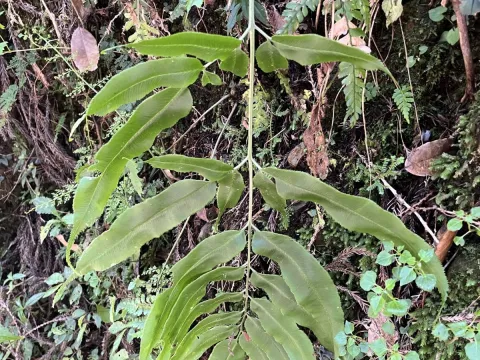
Japanese Coniogramme (Coniogramme japonica) is an exquisite perennial fern belonging to the Pteridaceae family. Known for its variegated fronds that display striking cream or white patterns against a deep green backdrop, this plant is a staple for garden enthusiasts who focus on woodland aesthetics and shade-loving flora.
The native habitat of this species is found in the lush, moist forests of East Asia, primarily in Japan, China, and Korea. As a forest-floor dweller, it has evolved to thrive in environments where humidity is high and sunlight is filtered through the canopy, making it an excellent candidate for shaded garden spots across various temperate regions.
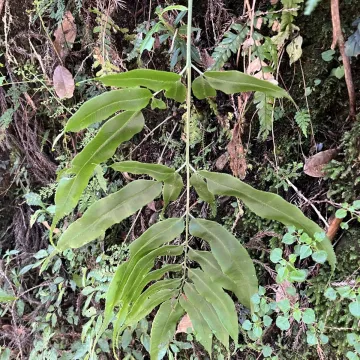
Botanically, it is defined by its creeping rhizomes and long, compound, pinnate fronds. The texture of the leaves is firm, providing a unique architectural element to plant groupings. The plant's growth habit is spreading, allowing it to eventually form dense, vibrant patches that act as natural ground cover in ideal soil conditions.
Successful cultivation requires a well-structured soil that is rich in organic matter and maintains consistent moisture. A slightly acidic to neutral pH is preferred. The plant demands a sheltered location, away from the drying effects of direct wind and hot afternoon sun. Regular irrigation is essential, especially during the peak of summer, to prevent the tips of the fronds from turning brown.
In terms of usage, the Japanese Coniogramme is purely ornamental. It is frequently utilized in woodland gardens, around pond margins, or as a feature plant in shady rockeries. Typical health issues include infestations of spider mites in dry conditions and root rot if the growing medium lacks proper drainage. Providing good air circulation and monitoring moisture levels are the best ways to ensure plant longevity.
Photo gallery